
Call: 505-219-4548
Why Early Dental Screenings Matter More Than Ever for Albuquerque Patients
January 29, 2026
Uncategorized
Life moves fast in Albuquerque. Between work, family responsibilities, school schedules, and everything in between, dental visits often slide down the priority list—especially when nothing hurts. But early dental screenings are becoming more important than ever, not just to prevent cavities, but to protect long-term oral and overall health.
Today’s dental screenings go far beyond a quick look at your teeth. They help identify small concerns before they turn into costly, uncomfortable problems. For patients of all ages, early detection can mean simpler treatment, better outcomes, and fewer surprises down the road.
Once you get past those first routine visits, many patients realize how valuable consistent care from a trusted dentist in Albuquerque can be in maintaining comfort, confidence, and peace of mind.
What “Early Dental Screening” Really Means Today
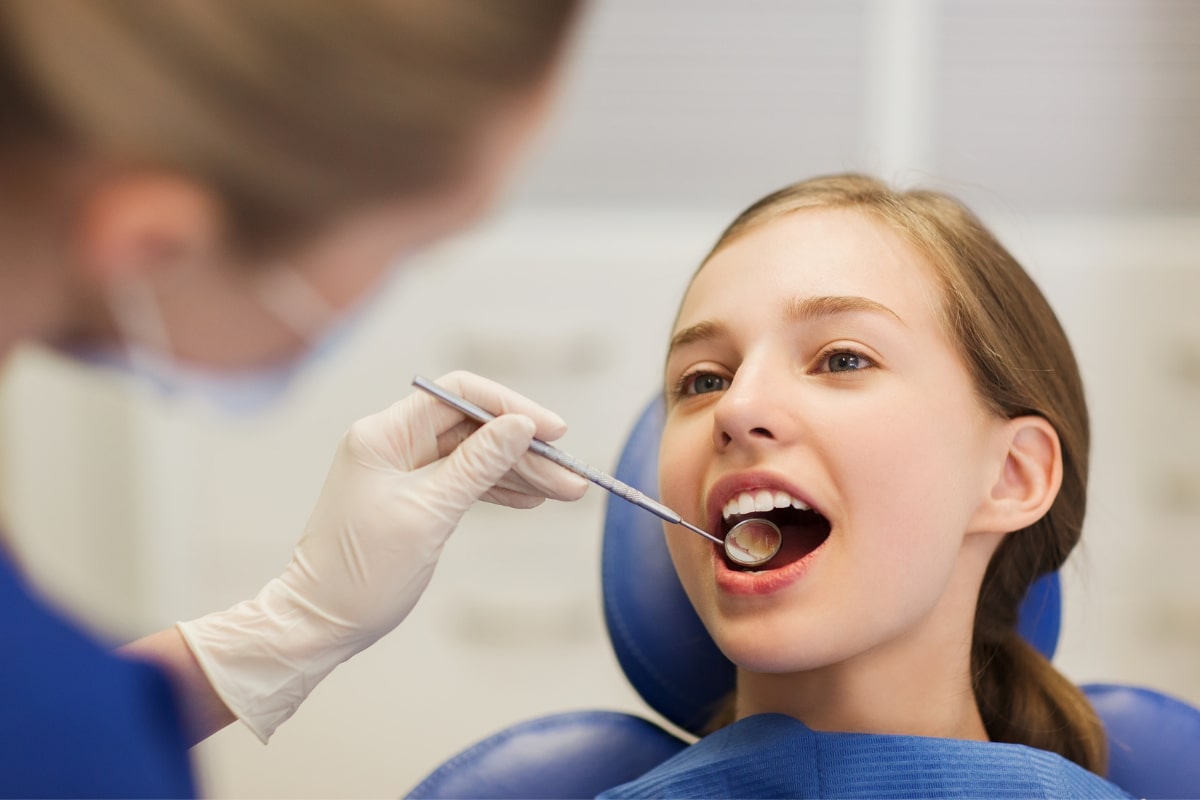
An early dental screening isn’t just about checking for cavities. It’s a comprehensive evaluation of your oral health, designed to spot subtle changes that aren’t always visible or painful right away.
These screenings often include:
- Evaluating tooth enamel and early decay
- Checking gum health and inflammation
- Monitoring bite alignment and jaw movement
- Screening for signs of oral infections or abnormalities
With modern technology, dentists can detect concerns earlier than ever sometimes before symptoms even appear.
Why Waiting for Pain Is a Risky Strategy
One of the biggest misconceptions is that dental problems always come with warning signs. In reality, many serious issues develop quietly.
Gum disease, for example, often starts with mild inflammation and no discomfort. Tooth decay can grow beneath the surface long before it causes pain. By the time symptoms show up, treatment may already be more involved.
Early screenings help patients avoid:
- Unexpected dental emergencies
- More invasive procedures
- Higher treatment costs
- Longer recovery times
Local Factors That Make Screenings Important in Albuquerque
Albuquerque’s climate and lifestyle play a role in oral health. Dry conditions can contribute to dehydration and reduced saliva, which increases the risk of cavities and gum irritation. Busy schedules—especially for families and professionals can make it harder to maintain perfect oral hygiene routines.
Dietary habits, seasonal allergies, and even stress levels can impact dental health. The local dental team understands these factors and tailors screenings to match real-life conditions in Albuquerque, not generic assumptions.
Early Screenings for Children, Adults, and Seniors
Dental screenings matter at every stage of life, but the focus changes over time.
For children, screenings help monitor tooth development, spacing, and early habits that may affect alignment.
For adults, they focus on gum health, bite changes, and wear from grinding or stress.
For seniors, screenings can detect bone loss, oral infections, and issues related to restorations or medications.
Establishing care early with a trusted dentist in Albuquerque allows these changes to be tracked consistently over time.
How Early Detection Saves Time and Money
Preventive care is almost always simpler than corrective care. Treating a small cavity is faster and more affordable than addressing a root canal or extraction later.
Early screenings can:
- Reduce the need for emergency visits
- Lower long-term treatment costs
- Minimize time spent in the dental chair
- Preserve natural teeth longer
For many patients, this proactive approach is what turns dental care from stressful to manageable.
The Role of Technology in Modern Screenings
Dental technology has advanced significantly in recent years. Digital imaging, improved diagnostic tools, and detailed evaluations allow dentists to be more precise and efficient.
This means:
- Clearer explanations for patients
- More accurate treatment planning
- Better long-term monitoring
- Increased confidence in care decisions
Patients benefit from a clearer understanding of their oral health and next steps.
Simple Ways Patients Can Support Early Detection
Dental screenings work best when paired with good habits at home. Patients can support early detection by:
- Scheduling regular checkups, even when nothing hurts
- Pay attention to bleeding gums or sensitivity
- Maintaining consistent brushing and flossing routines
- Staying hydrated, especially in dry climates
These small efforts make professional screenings even more effective.
A Smarter Approach to Oral Health in Albuquerque
Early dental screenings aren’t about finding problems; they’re about preventing them. By identifying changes early, patients can stay ahead of discomfort, avoid emergencies, and protect their smiles long term.
Choosing ongoing care with a trusted dentist in Albuquerque means having a partner who understands your history, your lifestyle, and your goals. If it’s been a while since your last screening, now is the perfect time to take a proactive step toward better oral health.
Frequently Asked Questions
How often should I get a dental screening?
Most patients benefit from screenings every six months, though some may need more frequent visits based on their oral health.
Are early screenings necessary if I don’t have pain?
Yes. Many dental issues develop without pain until they become more serious.
Do dental screenings take a long time?
Typically, they’re quick and efficient, especially when no major issues are present.
Can early screening really prevent major treatment?
In many cases, yes. Early detection often leads to simpler, less invasive care.
Is early dental care important for adults too?
Absolutely. Dental needs evolve with age, and early detection remains crucial throughout life.
Recent Posts

Oct. 20, 2026
6 Popular Cosmetic Dentistry Procedures That Can Transform Your Smile

Oct. 12, 2026
Afraid of the Dentist? Here’s What Modern Practices Do Differently
Aug. 13, 2026
The One-Hour Fix Behind a Lot of Albuquerque’s Brightest Smiles
Aug. 05, 2026
What to Do in the First Hour of a Dental Emergency

Jul. 21, 2026