
Call: 505-219-4548
Getting Your Bite (and Your Confidence) Back After Losing a Tooth
July 14, 2026
Dental Implants
Losing a tooth as an adult is more common than people assume, whether it’s from an old filling finally giving out, an injury, or gum disease that progressed further than expected. Whatever the cause, the empty space left behind tends to cause its own problems over time — nearby teeth can shift, chewing gets harder on that side, and the appearance of the smile changes in ways that are hard to ignore.
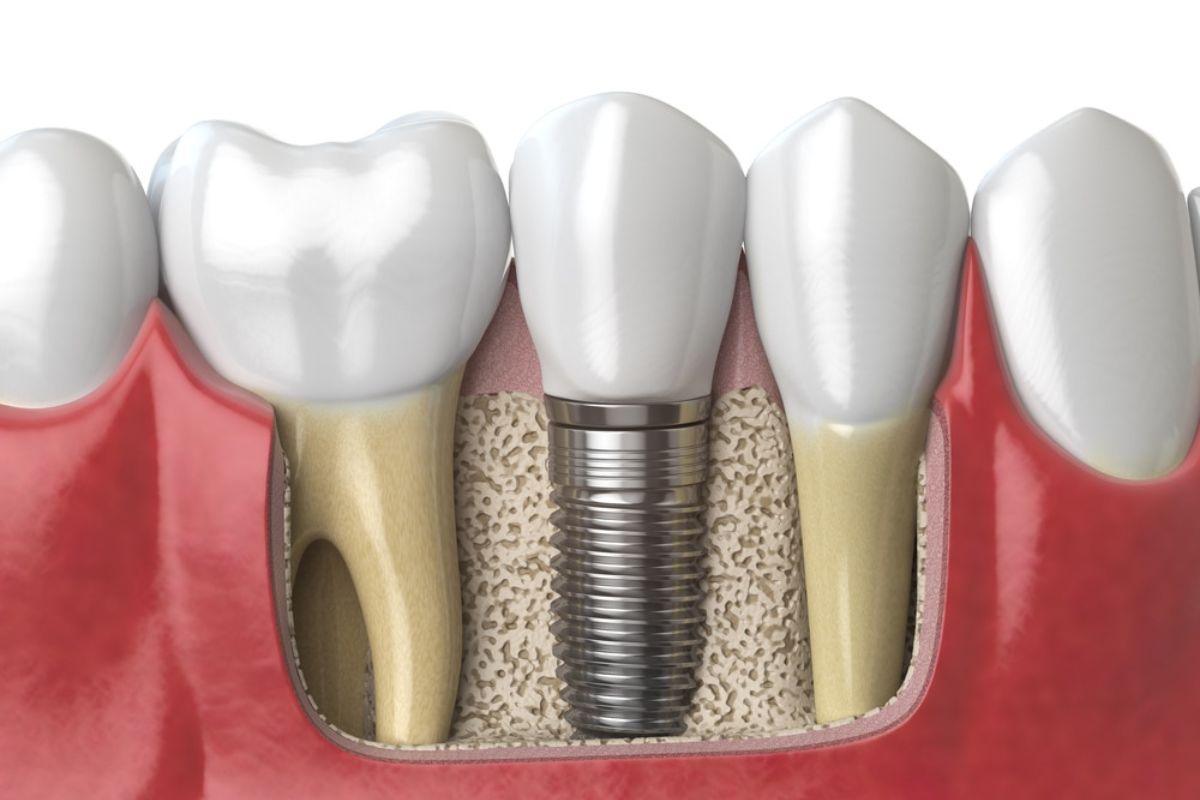
Permanent tooth replacement with dental implants in Albuquerque is built to solve that at the source. A titanium post replaces the tooth root, fusing with the jawbone over a period of months, and a custom crown is placed on top to complete the restoration. The result functions like a natural tooth without relying on neighboring teeth for support the way a bridge does.
Why implants tend to be the preferred option for many patients:
- No need to alter healthy adjacent teeth, unlike a traditional bridge
- Helps preserve jawbone density, which naturally decreases after tooth loss
- Designed to last many years with proper care
- Functions and feels like a natural tooth
- Blends in visually with the rest of the smile
- Doesn’t require the daily removal or adhesive of a denture
New Mexico’s active outdoor culture — hiking the Sandias, mountain biking, skiing up north — means dental injuries come up more often than people expect. A lot of Albuquerque patients are surprised to find out a permanent solution is realistic even years after losing a tooth, assuming the jawbone is healthy enough to support one.
What determines candidacy and timeline
Not every case looks the same, which is why the process usually starts with imaging to assess bone density in the area where the tooth is missing. If there’s enough healthy bone, the implant post can typically be placed in a single appointment, followed by a healing period of a few months while it integrates with the jaw. If bone density has decreased, a graft is sometimes recommended first, which extends the overall timeline slightly but improves the long-term stability of the implant. Once healing is confirmed, the final custom crown is attached, completing the restoration and matching it to the rest of your smile.
FAQs
How long does the full process take? From placement to the final crown, it typically spans a few months to allow the implant to properly integrate with the bone.
Is the procedure painful? Recovery is generally compared to a tooth extraction, with discomfort that improves within a few days.
What if I’ve been missing a tooth for years already? It’s often still possible, though bone density will need to be evaluated first, and a bone graft may be recommended in some cases.
How does the cost compare to a bridge? Implants can carry a higher upfront cost, but their durability and the fact that they preserve neighboring teeth make them a strong long-term option for many patients.
Can multiple missing teeth be treated with implants? Yes, either through several individual implants or an implant-supported bridge, depending on how many teeth are missing and the surrounding bone health.
What’s involved in caring for an implant long-term? Routine brushing, flossing, and regular checkups are generally all that’s needed to keep an implant in good condition for years.
If a missing tooth has been on your mind, a consultation is the simplest way to find out what your options actually look like, and how soon you could have a lasting fix in place.
Recent Posts

Oct. 20, 2026
6 Popular Cosmetic Dentistry Procedures That Can Transform Your Smile

Oct. 12, 2026
Afraid of the Dentist? Here’s What Modern Practices Do Differently
Aug. 13, 2026
The One-Hour Fix Behind a Lot of Albuquerque’s Brightest Smiles
Aug. 05, 2026
What to Do in the First Hour of a Dental Emergency

Jul. 21, 2026