
Call: 505-219-4548
A Calmer Way Through Dental Anxiety, Whatever’s Causing It
June 26, 2026
Uncategorized
For a lot of people, the hardest part of a dental visit has nothing to do with the actual treatment. It’s the anticipation beforehand — the tight chest in the waiting room, the racing thoughts about needles or drills, the feeling of losing control once you’re sitting in the chair. That kind of anxiety keeps plenty of otherwise health-conscious people avoiding the dentist for years at a time, even as small problems quietly get worse in the background.
Calming sedation dentistry options for anxious patients in Albuquerque exist specifically to close that gap at Uptown Dental Associates. Rather than expecting patients to just push through their anxiety, the practice treats it as a legitimate part of the conversation from the very first visit, working through the specific triggers behind someone’s discomfort and building a plan around them.
Why avoidance tends to make things worse, not better
It’s a familiar pattern — someone skips a checkup because of anxiety, a small cavity goes unnoticed, and by the time pain finally forces a visit, what could have been a simple filling has turned into something more involved, like a root canal or even an extraction. The anxiety that kept someone away in the first place often gets worse the longer the gap stretches, since the anticipated problem grows larger in someone’s mind the longer it’s avoided, right alongside whatever the actual dental issue happens to be.
Recognizing that pattern is part of why sedation dentistry has become such an important offering, not just for major procedures, but for something as routine as a cleaning or filling when anxiety is the primary obstacle standing between a patient and the care they need.
The range of sedation options typically available:
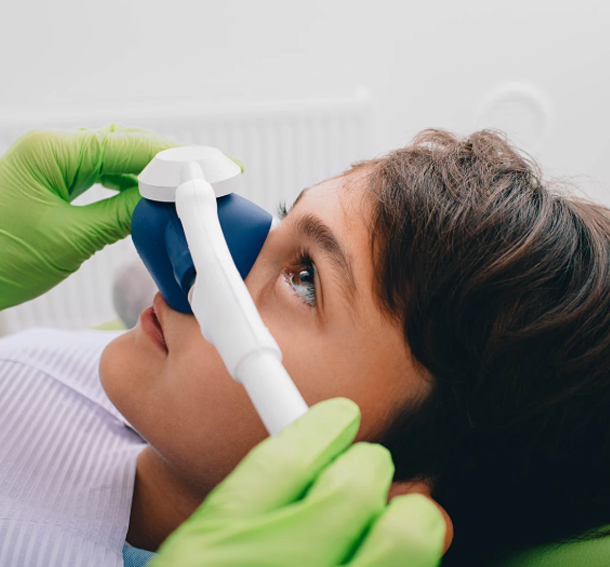
- Nitrous oxide (laughing gas): A mild option that takes effect quickly and wears off just as fast, well suited for milder anxiety or shorter procedures
- Oral sedatives: Taken before the appointment, these provide a deeper sense of calm for patients with more significant anxiety
- IV sedation: Used for more involved procedures or higher levels of anxiety, offering a deeper, more consistent level of relaxation throughout longer appointments
- Simple communication and pacing adjustments: For patients who prefer to stay fully alert but need a slower pace, clear explanations, and regular breaks throughout treatment
What actually happens during a sedation consultation
Before recommending any option, the team at Uptown Dental Associates reviews your complete health history, current medications, and any past reactions to sedation or anesthesia, since these details directly shape which approach is safest and most appropriate. From there, the conversation shifts toward understanding what specifically triggers your anxiety. Some patients are fine with most of a procedure but panic specifically at the sound of a drill. Others are more bothered by the numbing injection itself, or simply by the general feeling of being out of control while lying back in a chair.
Identifying that specific trigger often changes which sedation approach makes the most sense. Sometimes a lighter option like nitrous oxide, paired with clear communication and a slower pace, is enough. Other times, particularly for patients with a longstanding history of dental trauma or a more involved procedure ahead, a stronger option provides a much more comfortable overall experience.
Common reasons Albuquerque patients specifically ask about sedation:
- A strong gag reflex that makes routine cleanings or impressions genuinely difficult
- Past trauma from a bad dental experience, whether recent or from childhood
- General anxiety or a history of panic attacks in medical settings
- Needing several procedures completed in fewer visits to minimize the number of appointments
- Difficulty achieving full numbness with standard local anesthetic alone
- Simply wanting a calmer, less stressful visit overall, even without a specific diagnosable anxiety
Albuquerque’s growing population, drawn from across the Southwest for work in healthcare, tech, and government sectors, means Uptown Dental Associates regularly sees new patients who haven’t had a dental home in years, often specifically because anxiety kept them from establishing care after a move. A first visit for these patients often starts with an honest, judgment-free conversation about what’s made past visits difficult.
What sedation actually feels like for most patients
Contrary to what a lot of people picture, most sedation options used in general dentistry don’t involve losing consciousness. Patients typically describe a pleasant, relaxed fog aware enough to respond if spoken to, but noticeably calmer, with time seeming to pass much faster than usual. Many patients report remembering very little of the actual procedure afterward, which for someone who’s avoided the dentist for years out of fear, can be the single biggest factor in finally getting back into regular care.
A few pointers if dental anxiety has kept you away from the dentist:
- Be upfront about your specific fears at the consultation — vague anxiety is harder to plan around than a specific trigger
- Ask about all the sedation options available rather than assuming the strongest one is necessary
- Arrange transportation ahead of time if a stronger sedation option is recommended, since driving afterward often isn’t advised
- Consider scheduling your first visit as a simple consultation, without committing to treatment that same day, if that feels like a more manageable first step
- Mention any past reactions to sedation or anesthesia clearly, even if they happened somewhere else or years ago
FAQs
Will I be completely unconscious during sedation?
Not usually. Most options used in general dentistry keep patients relaxed but responsive. Deeper sedation is reserved for more complex procedures and is always discussed thoroughly ahead of time.
Is sedation dentistry safe?
Yes, when administered by a trained provider who reviews your full health history and current medications beforehand to determine the safest, most appropriate option.
Will I need someone to drive me home afterward?
Depending on the level of sedation used, yes. This is discussed clearly before your appointment so you can plan your transportation accordingly.
How do I know which sedation option is right for me?
A conversation during your consultation is generally enough to figure out whether a lighter option, something stronger, or no sedation at all makes the most sense based on your specific concerns and the procedure involved.
Can sedation be used for routine cleanings, or only more involved procedures?
It can absolutely be used for routine visits. A lot of patients specifically request sedation for cleanings or fillings simply because anxiety makes even routine care difficult without it.
What if I’ve had a bad reaction to sedation somewhere else in the past?
That’s important to mention clearly during your consultation, since it directly shapes what’s recommended and helps the team build a safer plan specifically for you.
Is sedation an option for children as well as adults?
In some cases, yes, though it depends on the child’s age, the specific procedure, and their individual needs, and would always be discussed individually with a parent beforehand.
Will my dental insurance help cover the cost of sedation?
Coverage varies significantly by plan and by the type of sedation used. The front office can help verify your specific benefits ahead of your appointment so there are no surprises afterward.
If dental anxiety has kept you from getting care you know you need, there’s no reason to keep pushing through it alone or continuing to put it off. A conversation about your specific concerns is usually the first step toward a far more comfortable experience, and often the thing that finally gets people back into consistent dental care after years of avoidance.
Recent Posts

Oct. 20, 2026
6 Popular Cosmetic Dentistry Procedures That Can Transform Your Smile

Oct. 12, 2026
Afraid of the Dentist? Here’s What Modern Practices Do Differently
Aug. 13, 2026
The One-Hour Fix Behind a Lot of Albuquerque’s Brightest Smiles
Aug. 05, 2026
What to Do in the First Hour of a Dental Emergency

Jul. 21, 2026