
Call: 505-219-4548
What to Do in the First Hour of a Dental Emergency
August 5, 2026
Emergency Dental Care
A toothache that goes from mild to unbearable in the middle of the night. A crown that pops off while eating dinner. A fall that chips or knocks out a front tooth. Dental emergencies rarely happen at a convenient time, and the panic of not knowing what to do in that first hour often makes the situation feel worse than it actually is.
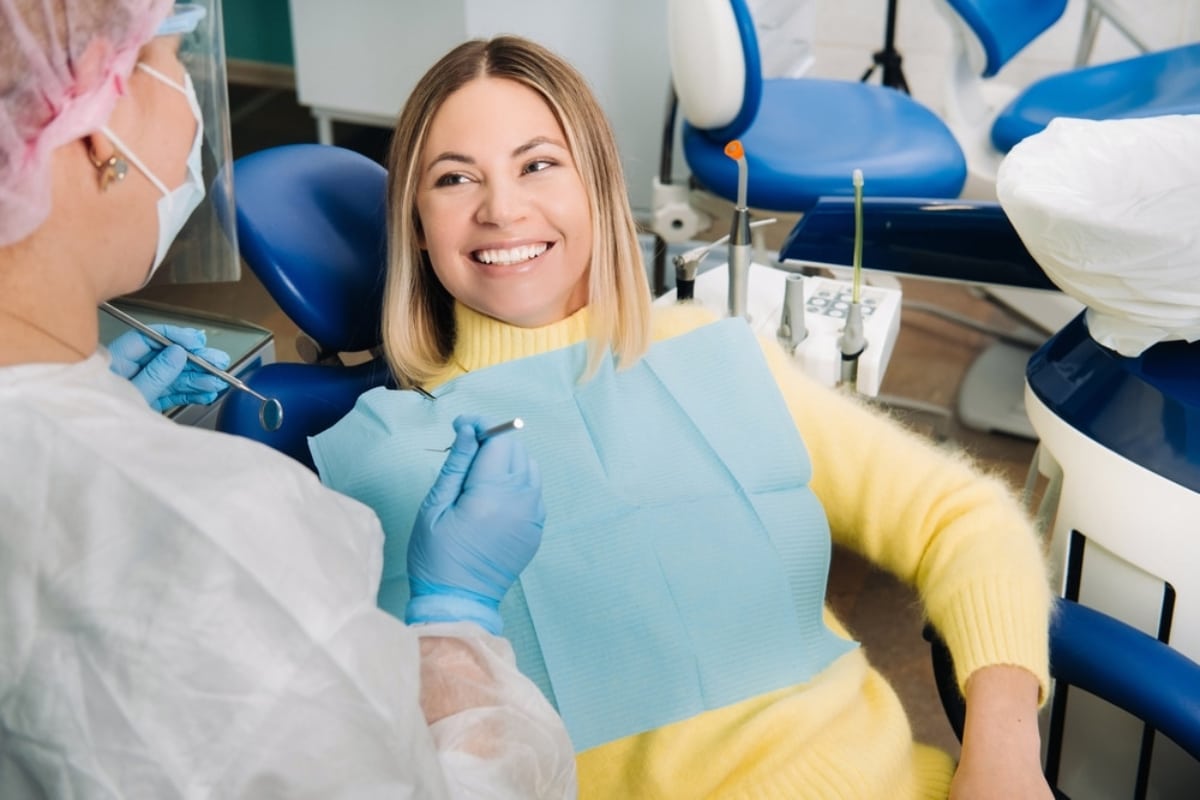
That’s exactly the gap urgent same-day emergency dentist services in Albuquerque are designed to close at Uptown Dental Associates. Whether it’s sudden, severe pain, an injury from an accident, or something that’s clearly worsened over just a day or two, having a dental office that treats these situations with real urgency, rather than pushing you to the next routine opening, makes a genuine difference in both comfort and long-term outcomes.
Why acting quickly actually changes the outcome
Plenty of dental emergencies have a window where fast action meaningfully improves the result. A knocked-out tooth, for instance, has a significantly better chance of successful reattachment if it’s handled correctly and you’re seen within roughly 30 to 60 minutes. A cracked tooth left untreated allows bacteria to reach the inner pulp, turning what could have been a simple repair into a root canal or extraction. Even something that feels relatively minor, like a lost filling, can expose sensitive tooth structure to further decay if it sits unaddressed for too long, sometimes turning a quick, inexpensive fix into a much larger and more involved repair.
Common dental emergencies and the right first response:
- Knocked-out tooth: Handle it by the crown, not the root. Rinse gently without scrubbing, and if possible, place it back in the socket or store it in milk while heading to the office.
- Severe toothache: Rinse with warm salt water, gently floss around the area in case something’s trapped, and avoid placing aspirin directly against the gum.
- Chipped or broken tooth: Save any pieces if you can find them, rinse with warm water, and apply a cold compress to reduce swelling.
- Lost crown or filling: Keep the piece if possible and avoid chewing on that side until you’re seen.
- Swelling in the face or jaw: This can signal a spreading infection and warrants a same-day call rather than waiting to see if it improves.
- Object caught between teeth: Try gentle flossing first, never a sharp object, and call if it won’t come loose.
- Bleeding that won’t stop after an injury: Apply firm, gentle pressure with clean gauze and seek care promptly if it continues for more than a few minutes.
What happens when you call with an emergency
The front office at Uptown Dental Associates is trained to quickly assess the urgency of a situation over the phone by asking a handful of key questions to determine whether you need to come in right away or if the issue can reasonably wait a day. In many cases, a same-day appointment is made available specifically for situations like a knocked-out tooth, significant swelling, or pain severe enough to disrupt eating or sleeping.
Once you arrive, the priority is stabilizing the situation and addressing pain first, with a longer-term treatment plan discussed once things are under control. For a knocked-out tooth specifically, time is genuinely critical, so the team moves quickly to evaluate whether reattachment is realistic before considering other replacement options.
Why this matters especially in Albuquerque
Albuquerque’s active outdoor lifestyle, from hiking the Sandias to mountain biking the foothills trails, means dental injuries from falls or impacts come up more often than people expect. The city’s spread-out layout also means a lot of residents drive significant distances for daily life, so knowing exactly where to turn during a dental emergency, rather than scrambling to search once you’re already in pain, matters more here than it might in a smaller, more compact city.
Seasonal factors play a role too. Icy patches during colder snaps and an active youth sports culture throughout the year both contribute to the kinds of falls and impacts that lead to sudden dental injuries requiring prompt attention.
Why waiting out pain rarely works in your favor
A common instinct when a toothache strikes is to try riding it out, hoping it’ll ease up on its own or waiting to see if it’s really as bad as it feels. Unfortunately, dental pain caused by infection or significant decay rarely resolves without treatment. It tends to follow a pattern of temporary relief followed by worsening pain, sometimes over just a matter of days, as the underlying problem continues to progress. What starts as manageable discomfort can escalate into pain severe enough to disrupt sleep, eating, and daily concentration, all while the underlying issue becomes more complicated and costly to treat the longer it’s left unaddressed.
How to tell the difference between something urgent and something that can wait
Not every dental issue requires an immediate same-day visit, and knowing the difference helps you make a clear-headed decision rather than panicking unnecessarily. A minor chip with no pain, mild and consistent sensitivity that isn’t worsening, or a small piece of a filling that’s come loose without exposing a nerve can often wait for the next routine opening. Severe, worsening pain, visible swelling, trauma from an injury, or a knocked-out tooth all fall into the category that genuinely can’t wait, and calling the office directly is the fastest way to get clarity on which category your specific situation falls into.
A few pointers for handling a dental emergency calmly:
- Save your dentist’s number in your phone now, before you’re in a panic and need it
- Keep a small emergency kit at home with gauze, a cold pack, and a container for transporting a tooth in milk if needed
- Don’t ignore pain that’s steadily worsening over a day or two, since that pattern often signals an infection
- If a tooth is knocked out, call while you’re already heading to the office, since every minute matters
- Avoid DIY fixes like super glue on a broken crown, which can complicate the actual repair later
What to expect for follow-up care after the initial visit
Most emergency visits focus on relieving pain and stabilizing the immediate situation, whether that means a temporary filling, a splint for a loosened tooth, or antibiotics if infection is present. A follow-up appointment is typically scheduled once the acute issue has settled, allowing time to plan a more permanent fix, like a crown, root canal, or replacement option, without the added stress of an active emergency in the room. This two-step approach also gives the team a chance to fully evaluate the tooth once swelling or acute pain has subsided, leading to a more accurate long-term treatment recommendation than would be possible during an urgent visit.
Dental emergencies are stressful enough without also wondering whether you’ll be seen in time. If you don’t already have a dentist you can call in a pinch, it’s worth getting established with one before you actually need it, and if something’s happening right now, a quick call is the fastest way to find out what to do next and get the relief you’re looking for.
FAQs
What counts as a real dental emergency?
Severe pain, swelling, trauma, a knocked-out tooth, or uncontrolled bleeding all warrant an urgent call.
What if it happens outside office hours?
Calling as soon as possible still helps, often getting you seen first thing when the office opens.
Can a knocked-out tooth actually be saved?
Often yes, especially if handled correctly and you’re seen within about an hour.
Should I go to the ER instead of calling the dentist?
For facial trauma or uncontrolled bleeding, yes. For most dental pain, calling the dentist is faster.
Is there anything I shouldn’t do while waiting to be seen?
Avoid aspirin directly on the gum and avoid chewing on the affected side.
Will emergency treatment cost more than a regular appointment?
It can vary, but the front office can typically walk through costs before treatment begins.
Recent Posts

Oct. 20, 2026
6 Popular Cosmetic Dentistry Procedures That Can Transform Your Smile

Oct. 12, 2026
Afraid of the Dentist? Here’s What Modern Practices Do Differently
Aug. 13, 2026
The One-Hour Fix Behind a Lot of Albuquerque’s Brightest Smiles
Aug. 05, 2026
What to Do in the First Hour of a Dental Emergency

Jul. 21, 2026