
Call: 505-219-4548
How Long Does Invisalign Treatment Usually Take?
November 26, 2026
Cosmetic Dentistry
Imagine smiling confidently in photos, speaking comfortably in meetings, and enjoying everyday moments without worrying about crooked or crowded teeth. If you have been thinking about straightening your smile, you may wonder how long it will take to see the results.
For many people considering Invisalign Albuquerque, NM, treatment time is one of the biggest questions. Will it take a few months or more than a year? Can you finish before an important event? And what can you do to keep your treatment on schedule?
The answer depends on your teeth, bite, and daily habits. Understanding the treatment process can help you set realistic expectations and take the first step toward a healthier, more balanced smile.
How Long Does Invisalign Treatment Usually Take?
Invisalign treatment commonly takes around 6 to 18 months, although some cases may require more or less time. The exact timeline depends on how much your teeth need to move and how consistently you follow your treatment plan.
Patients with minor spacing or mild crowding may need a shorter treatment period. More complex concerns, such as significant crowding or bite problems, may require additional time.
At Uptown Dental Associates, the Invisalign process begins with a consultation and a personalized treatment plan. The dental team evaluates your teeth and discusses the changes you want to achieve before recommending the next steps.
Remember, every smile is different. Your dentist can provide a more accurate estimate after examining your teeth and understanding your orthodontic needs.
Why Does Invisalign Treatment Take Different Amounts of Time?
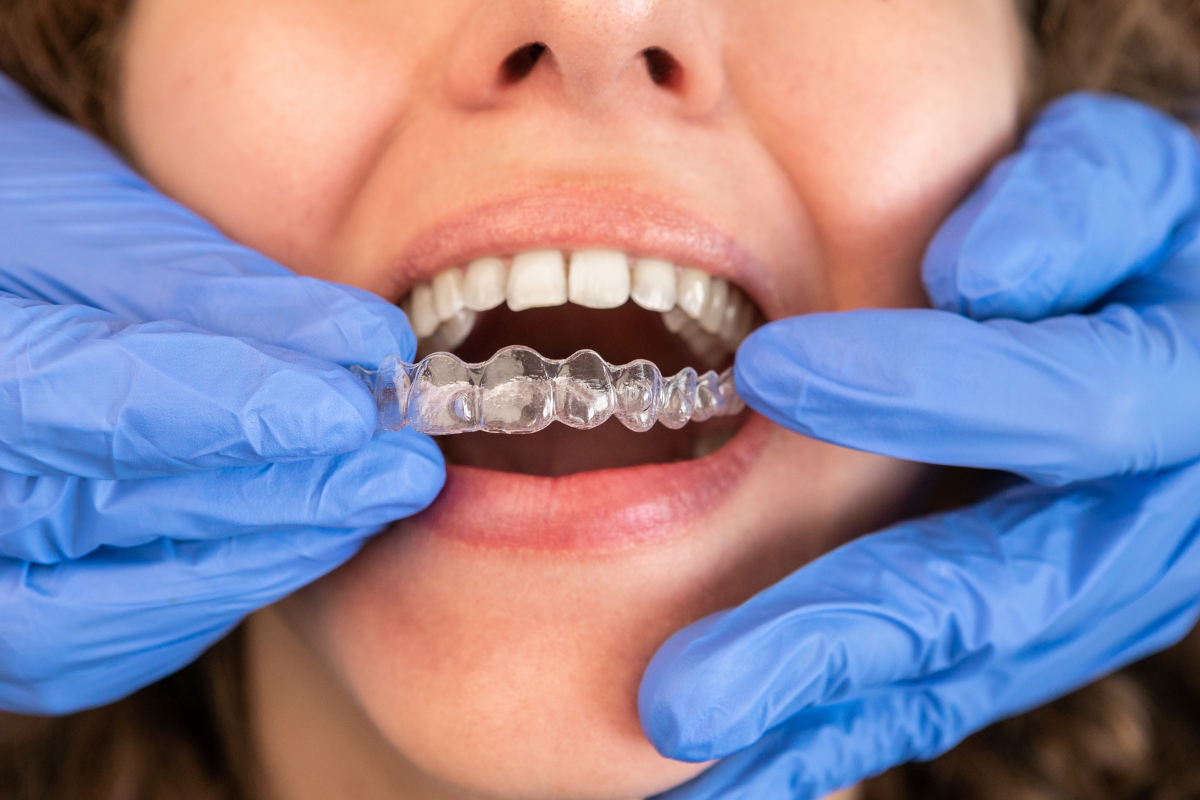
Clear aligners work by applying gentle, controlled pressure to move teeth gradually. Each set is designed to make specific changes as your teeth move toward their planned positions.
Several factors influence how long this process takes.
- The Amount of Tooth Movement Needed
The condition of your teeth is one of the biggest factors affecting treatment time.
If you have only a few small gaps or slightly crooked teeth, your treatment may be relatively short. However, correcting severe crowding, rotated teeth, or more complicated bite concerns can take longer.
Your dentist will evaluate the amount of movement required before creating your treatment plan.
- Your Bite Alignment
Invisalign can address several bite concerns, including:
- Overbite
- Underbite
- Crossbite
- Certain cases of open bite
- Crowded or widely spaced teeth
Some bite problems require more detailed tooth movements than simple alignment concerns. This can increase the number of aligners needed and extend the overall treatment period.
Not every orthodontic condition can be corrected with clear aligners alone. Your dentist will determine whether Invisalign is appropriate for your case.
- How Consistently You Wear Your Aligners
This is one factor you can control.
Invisalign aligners are removable, but they must be worn for the recommended number of hours each day. Most patients are instructed to wear them for approximately 20–22 hours daily, removing them for meals, drinks other than water, and oral hygiene.
Wearing them for fewer hours than recommended may prevent your teeth from moving as planned. This can delay progress and affect your final results.
- Your Response to Treatment
Every person’s teeth respond differently to orthodontic pressure. Some patients progress according to the original schedule, while others may need additional adjustments.
Your dentist will monitor how your teeth move during follow-up visits and decide whether your treatment plan needs changes.
- Additional Refinements
Sometimes, teeth do not reach their planned positions after the first series of aligners. Your dentist may recommend refinement aligners to make further adjustments.
These additional trays can help improve alignment and the final bite. They may add time to the overall treatment, but they are sometimes an important part of achieving the planned result.
What Happens If You Do Not Wear Invisalign Aligners as Directed?
Because clear aligners can be removed, staying consistent is essential. Taking them out too often or leaving them out for long periods can interrupt the pressure needed to move your teeth.
Inconsistent wear may lead to:
- Delayed tooth movement
- Aligners that no longer fit properly
- Additional appointments or replacement trays
- A longer treatment timeline
- Less predictable progress
For example, removing your aligners for several extra hours each day may seem harmless. However, those missed hours can add up over weeks and affect how well your teeth follow the treatment plan.
If you forget to wear your aligners or experience a problem with their fit, contact your dental office for instructions. Do not try to force an aligner that does not fit comfortably.
How Does the Invisalign Treatment Process Work?
Understanding each stage can make the experience feel easier and more predictable.
Step 1: Initial Consultation
Your dentist examines your teeth, gums, and bite. You can discuss your concerns, smile goals, and questions about treatment time.
This appointment also helps determine whether clear aligners are a suitable option.
Step 2: Digital Planning and Custom Aligners
After your evaluation, the dental team takes the necessary records to plan your tooth movements. These records help create a series of custom-made aligners designed for your smile.
Your dentist will explain the expected treatment stages and provide instructions for wearing your trays.
Step 3: Wearing Your Aligners
You will wear each set according to your dentist’s instructions. Each new set gradually moves your teeth closer to their planned positions.
You should remove your aligners before eating and follow your daily cleaning routine before putting them back in.
Step 4: Progress Checkups
Regular appointments allow your dentist to check your tooth movement, aligner fit, and overall progress.
The practice’s Invisalign information indicates that many patients have progress visits approximately every 6–8 weeks. Your schedule may vary depending on your treatment plan.
Step 5: Retainers After Treatment
Completing your final aligner does not mean your orthodontic care is over. Teeth can gradually shift after treatment, especially if you do not follow your retention plan.
Your dentist may recommend a retainer to help maintain your new alignment. Wearing it as directed is important for protecting the results you worked toward.
How Can You Help Keep Your Invisalign Treatment on Schedule?
Small daily habits can make a meaningful difference in your treatment progress.
- Follow your wear schedule: Keep your aligners in for the recommended daily hours.
- Change trays as instructed: Never switch to a new set earlier or later without your dentist’s guidance.
- Remove aligners before meals: Eating with aligners can damage them and trap food against your teeth.
- Maintain good oral hygiene: Brush and floss before putting your trays back in whenever possible.
- Keep your appointments: Progress visits help identify problems before they cause longer delays.
- Store your trays safely: Use your aligner case instead of wrapping trays in napkins or leaving them on a table.
Consistency is one of the most important parts of successful clear aligner treatment.
Personalized Invisalign Care for Your Smile
Choosing a dental team that understands your goals can make the treatment experience easier to manage. You should receive clear explanations about your expected timeline, aligner instructions, follow-up visits, and available treatment options.
At Uptown Dental Associates, Dr. Jacob Greaves, Dr. Romeo Barzegari, and the dental team provide Invisalign treatment as part of their cosmetic dentistry services. The practice serves patients in Albuquerque and nearby communities and offers consultations to help patients understand their options.
Whether you have crowded teeth, unwanted gaps, or certain bite concerns, a professional evaluation can help determine whether clear aligners are right for you.
Ready to Start Your Invisalign Journey?
You do not have to keep putting off the smile you want because you are unsure about the treatment timeline. With a personalized plan, consistent aligner wear, and regular progress checks, you can work toward a straighter smile with a clearer understanding of what to expect.
If you are exploring Invisalign Albuquerque, NM, contact Uptown Dental Associates at 505-219-4548 to schedule a consultation. Discuss your smile goals, learn how long your treatment may take, and find out which options fit your needs. Taking the first step now can bring you closer to a smile you feel confident sharing.
Frequently Asked Questions
- What is the average time needed for Invisalign treatment?
Many patients complete Invisalign treatment in approximately 6–18 months. However, the timeline depends on tooth alignment, bite concerns, treatment complexity, and daily aligner wear.
- Can Invisalign straighten teeth in six months?
Some patients with minor alignment concerns may qualify for shorter treatment plans. However, six months is not a suitable timeline for everyone. Your dentist must evaluate your teeth before estimating how long treatment will take.
- How many hours a day should I wear Invisalign?
Most patients are instructed to wear their aligners for approximately 20–22 hours per day. Remove them for meals, drinks other than water, brushing, and flossing unless your dentist provides different instructions.
- How often do I need to change Invisalign aligners?
The replacement schedule depends on your treatment plan. Some patients change trays weekly or every other week, while other schedules may differ. Always follow your dentist’s instructions rather than changing aligners on your own.
- Does Invisalign take longer for crowded teeth?
It can. Mild crowding may be corrected in a shorter period, while more significant crowding can require additional tooth movement and aligners. Your dentist can estimate the timeline after examining your bite and alignment.
- Can I speed up my Invisalign treatment?
You should not try to speed up treatment by changing aligners early or wearing them differently from your instructions. The best way to stay on schedule is to wear your trays consistently, attend follow-up visits, and follow your dentist’s plan.
- How often should I visit the dentist during Invisalign treatment?
Many patients have progress appointments every 6–8 weeks, although the schedule varies. Your dentist will recommend visits based on your progress and the needs of your treatment.
- Do I need a retainer after Invisalign treatment?
Yes, most patients need retainers after active orthodontic treatment. Retainers help prevent teeth from shifting back toward their previous positions. Your dentist will explain how often and how long you should wear yours.
Medical Disclaimer – This article is for general educational purposes only and does not replace professional dental advice, diagnosis, or treatment. Invisalign treatment duration and results vary based on individual orthodontic needs and patient compliance. Consult a qualified dental professional for an examination and personalized treatment recommendations.
Recent Posts
Nov. 26, 2026
How Long Does Invisalign Treatment Usually Take?

Nov. 23, 2026
Catching Cavities Early Saves You Hundreds, Maybe Thousands

Nov. 19, 2026
Smiling with Confidence: A Comprehensive Guide to Cosmetic Dentistry Treatments

Nov. 12, 2026
When Is It Time for a Dental Visit? 10 Signs You Shouldn’t Ignore

Nov. 10, 2026