
Call: 505-219-4548
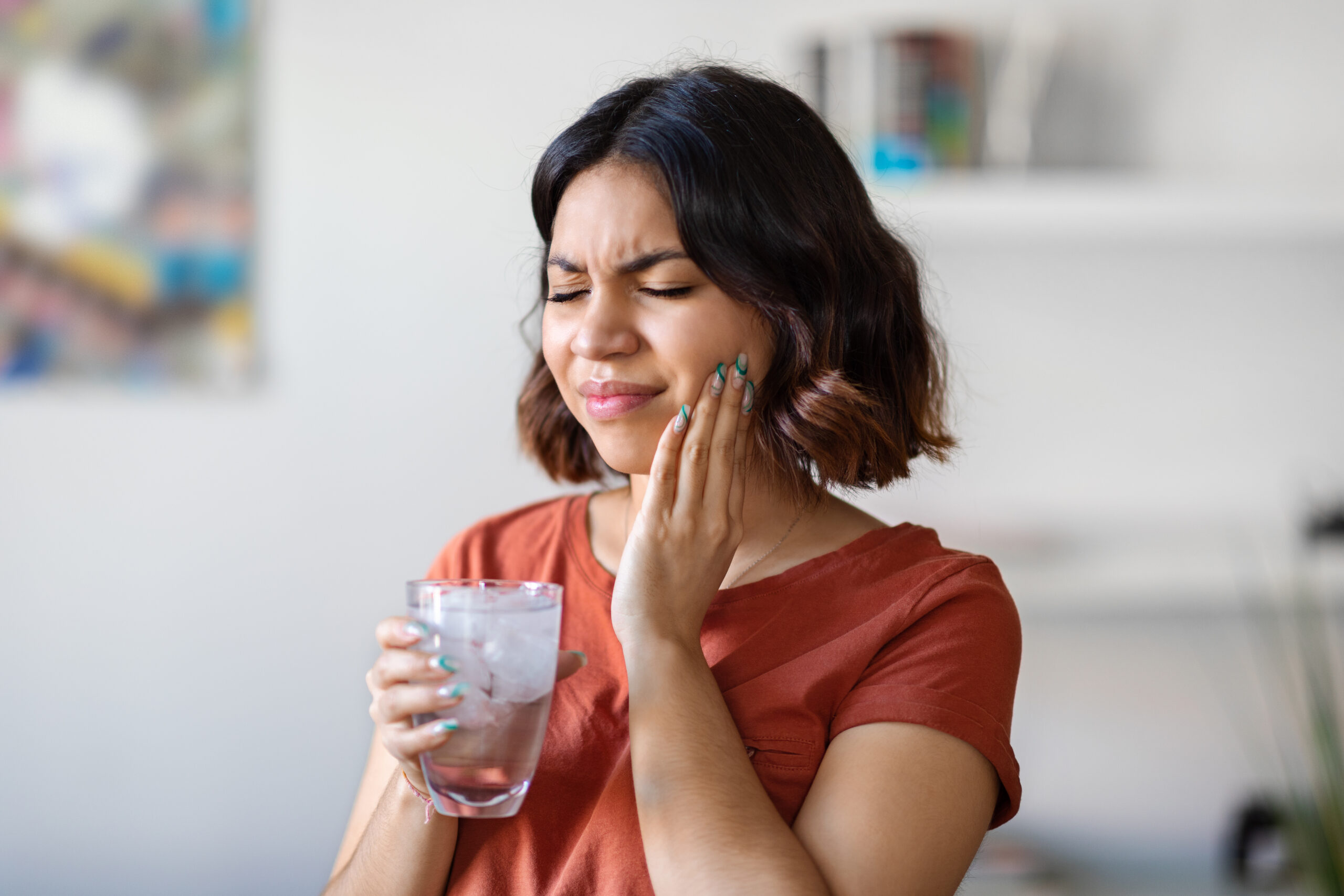
Why Are Your Teeth So Sensitive? 10 Ways to Find Relief and Protect Your Smile
October 23, 2026
Dental Care
Does a sip of cold water, a spoonful of ice cream, or a cup of hot coffee make your teeth hurt? Tooth sensitivity can turn everyday activities into uncomfortable experiences. While occasional discomfort may seem minor, recurring sensitivity can sometimes indicate an underlying dental problem that needs professional attention.
For many people, the solution starts with understanding what triggers the pain and making a few changes to their oral care routine. Using the right dental products, adjusting brushing habits, and choosing tooth-friendly foods can help reduce discomfort and protect your enamel.
If you experience persistent tooth pain, consulting a Dentist In Albuquerque can help you identify the cause and determine the most appropriate treatment. Here are 10 practical ways to manage sensitive teeth and maintain a healthier smile.
What Causes Tooth Sensitivity?
Tooth sensitivity occurs when the protective enamel wears down, or the gums recede, exposing the underlying dentin. Dentin contains tiny channels that allow hot, cold, sweet, or acidic substances to stimulate nerves inside the tooth, causing sharp or sudden discomfort.
Several factors can contribute to sensitivity, including:
- Brushing too aggressively or using a hard-bristled toothbrush
- Enamel erosion caused by acidic foods and beverages
- Gum recession that exposes tooth roots
- Teeth grinding or clenching
- Tooth decay, cracked teeth, or damaged fillings
- Recent teeth whitening treatments
The right solution depends on the underlying cause. Although simple home care changes may help, persistent or worsening sensitivity should not be ignored.
10 Effective Tips for Managing Sensitive Teeth
- Switch to a Soft-Bristled Toothbrush
Your toothbrush should clean your teeth without irritating your gums or damaging enamel. Hard-bristled brushes and excessive brushing pressure can contribute to gum recession and increased sensitivity over time.
Choose a soft-bristled toothbrush and use gentle, controlled movements. An electric toothbrush with a pressure sensor may also help if you tend to brush too forcefully.
Brush twice a day for two minutes, paying attention to the gumline and the surfaces of every tooth. Gentle brushing is more effective for long-term oral health than scrubbing aggressively.
- Use Toothpaste Designed for Sensitive Teeth
Desensitizing toothpaste can help reduce discomfort by blocking pain signals or limiting the movement of fluid within exposed dentin channels. Depending on the formulation, results may take several applications over days or weeks.
Choose a product containing ingredients specifically formulated for sensitive teeth and follow the manufacturer’s directions. Continue using it consistently rather than switching products frequently.
If your sensitivity does not improve, a dental professional can recommend an alternative product or determine whether you need treatment beyond toothpaste.
- Reduce Acidic Foods and Drinks
Acidic foods and beverages can gradually weaken tooth enamel, increasing the likelihood of sensitivity. Common examples include citrus fruits, soda, sports drinks, vinegar-based foods, and fruit juices.
You do not necessarily need to eliminate every acidic food. Instead, limit frequent exposure and avoid sipping acidic drinks over extended periods.
Rinse your mouth with water after consuming acidic foods or beverages. This helps clear acids from your mouth. Because enamel temporarily softens after acid exposure, wait about 30–60 minutes before brushing.
- Improve Your Brushing Technique
Even with the right toothbrush, improper brushing can contribute to sensitivity. Applying excessive pressure or repeatedly scrubbing horizontally along the gumline may damage gum tissue over time.
Hold your toothbrush at approximately a 45-degree angle toward your gums. Use gentle, short strokes and clean the outer, inner, and chewing surfaces of your teeth.
Avoid rushing through your routine. Thorough brushing helps remove plaque while protecting the enamel and gum tissue that keep your teeth comfortable.
- Consider a Fluoride Mouthwash
Fluoride helps strengthen tooth enamel and makes teeth more resistant to acid attacks that contribute to cavities. Depending on your oral health needs, a fluoride mouthwash may provide additional protection alongside regular brushing.
Choose an appropriate product and follow its directions. If you also use fluoride toothpaste, ask your dentist how to incorporate mouthwash into your routine without unnecessarily rinsing away the toothpaste’s beneficial ingredients immediately after brushing.
Fluoride products can help prevent decay, but they will not correct every cause of tooth sensitivity.
- Protect Your Teeth From Grinding
Do you wake up with jaw soreness, headaches, or sensitive teeth? Grinding or clenching your teeth, particularly during sleep, may be contributing to the problem.
Repeated grinding can wear down enamel, create small cracks, and place excessive pressure on teeth and jaw muscles.
A dentist can examine your teeth for signs of wear and determine whether a custom-fitted nightguard may help protect them. Addressing grinding early can reduce the risk of further damage and related discomfort.
- Take a Break From Whitening Products
Teeth whitening treatments can temporarily increase sensitivity in some people. Certain whitening ingredients may irritate teeth, especially when enamel is already worn, or dentin is exposed.
If whitening strips, gels, or other products cause discomfort, stop using them until you can determine whether they are appropriate for your teeth.
Avoid combining multiple whitening products or using them more frequently than directed. Once your sensitivity is evaluated, a dentist can discuss safer whitening options and ways to minimize discomfort.
- Stay Hydrated Throughout the Day
Saliva helps neutralize acids, wash away food particles, and support the natural protection of your teeth. When your mouth is dry, bacteria and acids may have a greater opportunity to contribute to dental problems.
Drink water regularly, particularly after meals and snacks. In a dry climate like Albuquerque, maintaining adequate hydration can be especially helpful for people who experience dry mouth.
If you frequently feel thirsty, have difficulty swallowing dry foods, or notice persistent mouth dryness, discuss these symptoms with your dentist. Certain medications and health conditions can reduce saliva production.
- Choose Foods That Support Healthy Teeth
Your diet affects both enamel health and your risk of tooth decay. Frequent exposure to sugary and acidic foods can contribute to dental problems, while a balanced diet supports your overall oral health.
Consider incorporating:
- Calcium-rich foods, such as milk, yogurt, and cheese
- Vegetables and fruits as part of a balanced diet
- Protein-rich foods that support general health
- Plain water instead of sugary drinks
Try to limit frequent snacking on sweets and avoid holding acidic beverages in your mouth. If certain foods consistently trigger sharp pain, make a note of the pattern and share it with your dentist.
- Schedule Regular Dental Checkups
Good home care is essential, but it cannot identify every cause of tooth sensitivity. A cavity, cracked tooth, worn filling, or gum problem may require professional diagnosis and treatment.
During an examination, your dentist can assess your teeth and gums, review your symptoms, and recommend appropriate options. Depending on the cause, treatment may include fluoride applications, desensitizing agents, restorative treatment, or a protective nightguard.
If you are searching for a dentist in Albuquerque, NM, prioritize a dental professional who can evaluate persistent sensitivity rather than simply treating the symptoms.
Seek prompt dental attention if the pain is severe, localized to one tooth, or accompanied by swelling. Facial swelling, fever, or difficulty swallowing or breathing may require urgent medical or dental care.
When Should You See a Dentist for Sensitive Teeth?
Occasional sensitivity after consuming something cold may improve with changes to your oral care routine. However, recurring pain, discomfort when biting, sensitivity that lingers after a trigger is removed, or symptoms that interfere with eating deserve professional evaluation.
Do not assume that sensitivity always means your enamel is worn down. Cavities, damaged restorations, gum disease, and other dental conditions can cause similar symptoms.
A timely examination can help identify the problem before it becomes more complicated. Your dentist can also recommend preventive measures tailored to your teeth, gums, and individual risk factors.
Get Help for Sensitive Teeth at Uptown Dental Associates
Sensitive teeth do not have to keep you from enjoying your favorite foods and drinks. With the right brushing technique, appropriate dental products, and consistent preventive care, you can take meaningful steps toward a more comfortable smile.
If tooth sensitivity continues despite changes to your daily routine, professional guidance can help you understand what is causing the discomfort and what to do next.
Contact Uptown Dental Associates to schedule an appointment and discuss your tooth sensitivity with a dental professional. Getting the right care can help protect your teeth, improve your comfort, and support your long-term oral health.
Medical Disclaimer: This article is for educational purposes only and does not replace professional dental advice, diagnosis, or treatment. Consult a qualified dental professional for personalized recommendations.
Frequently Asked Questions
- Why are my teeth suddenly sensitive?
Sudden tooth sensitivity can result from enamel erosion, gum recession, tooth decay, a cracked tooth, grinding, or a damaged filling. If the discomfort is new, persistent, or limited to one tooth, schedule a dental examination to identify the cause.
- What is the best toothpaste for sensitive teeth?
A desensitizing toothpaste formulated for sensitive teeth may help reduce discomfort when used consistently as directed. Your dentist can recommend an appropriate product based on your symptoms and oral health needs.
- Can sensitive teeth become normal again?
Sensitivity caused by temporary irritation may improve when the trigger is removed. However, lost enamel does not naturally grow back. Professional treatments and preventive care can help reduce discomfort and protect exposed tooth surfaces.
- Should I avoid cold drinks if I have sensitive teeth?
You may find it helpful to avoid extremely cold drinks while your teeth are sensitive. However, persistent sensitivity should be evaluated rather than managed only by avoiding triggers. A dentist can determine whether an underlying problem needs treatment.
- When should I see a dentist for sensitive teeth?
See a dentist if sensitivity persists, worsens, interferes with eating, or causes pain when biting. Severe pain, facial swelling, or fever warrants prompt attention. Difficulty swallowing or breathing requires emergency medical care.
Recent Posts
Oct. 23, 2026
Why Are Your Teeth So Sensitive? 10 Ways to Find Relief and Protect Your Smile

Oct. 20, 2026
6 Popular Cosmetic Dentistry Procedures That Can Transform Your Smile

Oct. 12, 2026
Afraid of the Dentist? Here’s What Modern Practices Do Differently
Aug. 13, 2026
The One-Hour Fix Behind a Lot of Albuquerque’s Brightest Smiles
Aug. 05, 2026