
Call: 505-219-4548
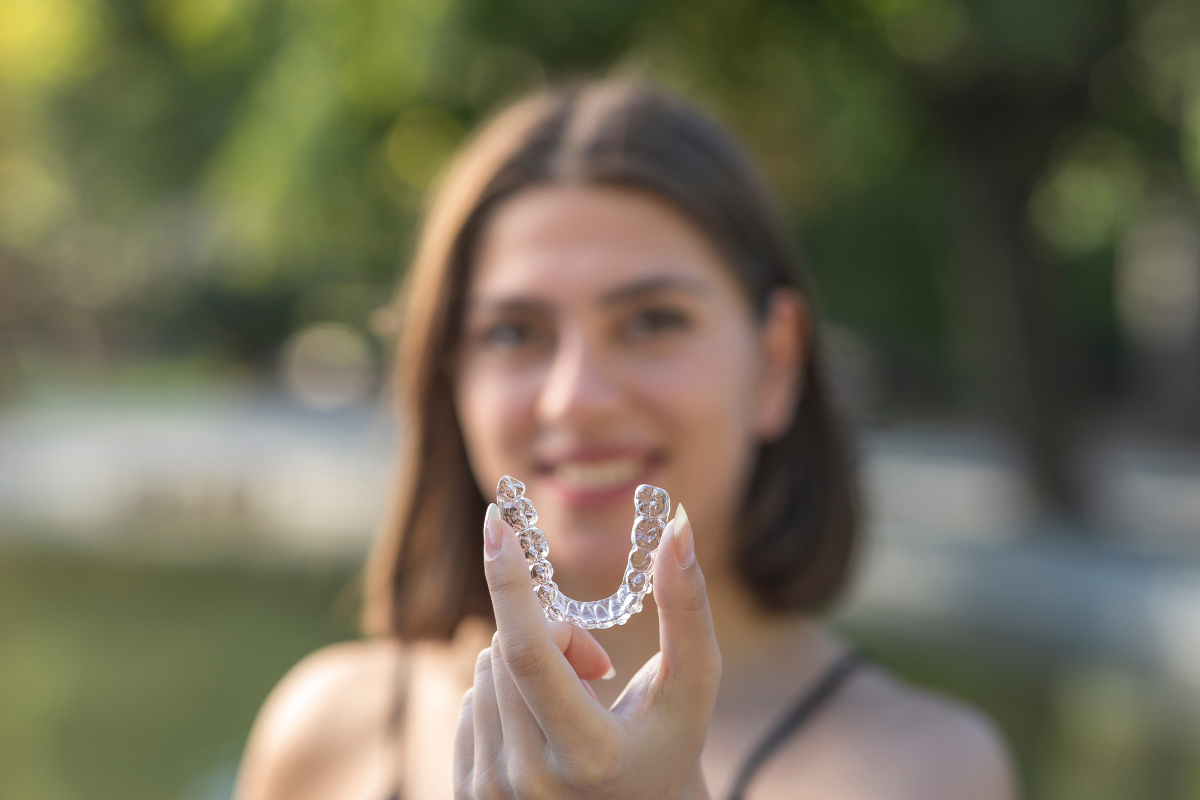
Your Invisalign Journey: From Your First Consultation to a Straighter Smile
June 8, 2023
Invisalign
Want a straighter smile without the appearance of traditional metal braces? Invisalign clear aligners offer a discreet, removable way to address many common orthodontic concerns. Whether you want to close gaps, improve crowding, or correct certain bite problems, understanding the treatment process can help you feel more prepared before getting started.
Invisalign treatment uses a series of custom-made clear aligners to move teeth gradually into planned positions. Each stage builds on the previous one, helping you work toward your smile goals while maintaining your everyday routine.
If you are considering Invisalign treatment in Albuquerque, knowing what happens at each appointment, how long treatment may take, and what you need to do at home can help you make an informed decision.
Step 1: Schedule Your Initial Invisalign Consultation
Your Invisalign journey begins with a consultation. During this visit, your dentist will examine your teeth, gums, bite, and overall oral health to determine whether clear aligners are suitable for your needs.
You can discuss the changes you would like to make to your smile, whether that involves crowded teeth, gaps, or certain bite alignment issues. Your dentist will also review your dental history and explain the treatment options available to you.
Digital scans, photographs, and other diagnostic records may be taken to evaluate your teeth and plan treatment. If you have untreated cavities or gum disease, those conditions may need attention before orthodontic treatment begins.
Not every orthodontic concern can be treated effectively with Invisalign. Your dentist will explain what the aligners can realistically achieve and whether another treatment approach would be more appropriate.
Step 2: Create Your Personalized Treatment Plan
Once you are determined to be a suitable candidate, your dentist will develop a treatment plan based on your individual dental needs.
Digital scans can create a three-dimensional model of your teeth. Using specialized planning software, your dental provider can map out the intended tooth movements and determine the sequence of aligners needed to achieve your goals.
Your treatment plan may account for:
- The amount of crowding or spacing between teeth
- Your bite and how your upper and lower teeth fit together
- The movement required for individual teeth
- Whether small tooth-colored attachments or other orthodontic aids are needed
- The estimated treatment duration and follow-up schedule
You may also have the opportunity to review a digital representation of the planned tooth movements. This can help you understand the intended outcome, although the actual result depends on how your teeth respond to treatment and whether you follow the prescribed instructions.
Step 3: Receive Your Custom Clear Aligners
After your treatment plan is finalized, your custom aligners will be manufactured. You will return to the dental office to receive your first set and learn how to use them correctly.
Your dentist will check the fit and explain how to insert and remove the trays. You will also receive instructions on cleaning your aligners, storing them safely, and recognizing potential problems.
For most Invisalign treatments, aligners should be worn approximately 20–22 hours per day, or according to your provider’s instructions. They should generally be removed for meals, drinks other than water, and oral hygiene.
Consistent wear is essential. Taking your aligners out too frequently or leaving them out for extended periods can interfere with planned tooth movement and potentially prolong treatment.
Step 4: Adjust to Wearing Invisalign
It is normal to need some time to adjust to clear aligners. During the first few days, you may experience pressure, mild soreness, or temporary changes in speech.
These sensations often improve as your mouth adapts to the aligners and your teeth begin moving. Some people notice a slight lisp initially, but speaking regularly can help them adjust.
To make the adjustment easier:
- Wear your aligners according to your prescribed schedule.
- Remove them carefully to avoid damaging the trays.
- Drink plain water while wearing them.
- Clean your teeth before putting the aligners back in after meals.
- Contact your dentist if an aligner causes persistent pain, damages your gums, or does not fit as expected.
Do not attempt to trim or reshape an aligner yourself. Your dentist can determine whether a fit issue requires professional adjustment or a replacement tray.
Step 5: Change Aligners as Directed
Invisalign treatment involves wearing a series of aligners, with each set designed to make specific tooth movements. Once your dentist’s prescribed wear period is complete, you will progress to the next set.
The timing for changing aligners varies according to your treatment plan. Some patients change trays weekly, while others need a different schedule based on their individual tooth movements.
Each new set may produce mild pressure as the teeth adjust. This does not mean you should advance to the next set sooner than instructed.
If an aligner no longer fits properly, is lost, or becomes damaged, contact your dental provider for guidance. Depending on your progress, you may need to continue wearing your previous tray or follow another recommendation.
Step 6: Attend Follow-Up Appointments
Regular checkups allow your dentist to monitor your progress and make sure your teeth are responding as planned. The frequency of these visits varies, but appointments may occur every several weeks.
During these visits, your dentist may assess aligner fit, tooth movement, gum health, and your overall response to treatment. If your teeth are not tracking as expected, your plan may need adjustments.
Some patients require additional aligners, known as refinement trays, toward the end of treatment. These help address remaining alignment concerns when necessary.
Attending follow-up appointments and communicating any problems promptly can help keep your treatment on track.
Step 7: Complete Treatment and Protect Your Results
Once your teeth reach their planned positions, your dentist will evaluate the final result and determine whether any additional refinement is needed.
Completing your last aligner does not mean your orthodontic care is finished. Teeth can gradually shift after treatment, so retainers are generally recommended to maintain the new alignment.
Your dentist will explain which type of retainer is appropriate and how often you should wear it. Following these instructions is essential for preserving your results over the long term.
Continue brushing twice daily, flossing every day, and attending routine dental examinations. Healthy teeth and gums provide an important foundation for maintaining your smile after Invisalign treatment.
Why Do Teens and Adults Choose Invisalign?
Invisalign offers several features that appeal to people who want to improve their smile while maintaining their normal routines.
- Discreet appearance: The clear trays are less noticeable than traditional metal braces for many patients.
- Removable design: You can take the aligners out for eating, drinking anything other than water, brushing, and flossing.
- Customized treatment: Each series of aligners is planned around your dental needs and intended tooth movements.
- Everyday convenience: There are no traditional brackets or wires, although aligners still require consistent wear and careful maintenance.
Invisalign is not necessarily the best option for every orthodontic problem. Treatment suitability depends on the complexity of the case, your oral health, and your ability to follow the recommended wear schedule.
How Long Does Invisalign Treatment Take?
Treatment duration depends on the degree of tooth movement required, the complexity of your bite, and your consistency with wearing the aligners.
Some cases can be completed in several months, while more complex treatments may take a year or longer. Refinement trays or delays caused by inconsistent wear can extend the timeline.
Your dentist can provide an estimated duration after evaluating your teeth and creating your treatment plan. Keep in mind that the estimate may change as treatment progresses.
Start Your Invisalign Journey With Confidence
A straighter smile begins with understanding your options and choosing a treatment plan that fits your needs. From your first consultation to your final retainer, every stage of Invisalign treatment plays a role in achieving and maintaining your results.
Uptown Dental Associates can help you explore your smile goals, understand the treatment process, and determine whether clear aligners are appropriate for you.
Contact Uptown Dental Associates to schedule a consultation and learn more about your orthodontic options. With professional guidance and consistent care, you can take the next step toward a healthier, more confident smile.
Medical Disclaimer: This article is intended for educational purposes only and does not replace professional dental advice, diagnosis, or treatment. Consult a qualified dental professional to determine whether Invisalign is suitable for your individual needs.
Frequently Asked Questions About Invisalign Treatment
- How long does Invisalign treatment usually take?
Treatment may take several months to a year or longer, depending on the complexity of your case and how consistently you wear your aligners. Your dentist can estimate the timeline after evaluating your teeth and bite.
- How many hours a day should I wear Invisalign aligners?
Most patients are instructed to wear their aligners for approximately 20–22 hours daily. Remove them for meals, drinks other than water, and oral hygiene, and follow the specific instructions provided by your dentist.
- Does Invisalign treatment hurt?
You may experience temporary pressure or mild soreness when starting treatment or switching to a new set of aligners. This usually improves as your teeth adjust. Persistent or severe discomfort should be discussed with your dentist.
- Can I eat while wearing Invisalign aligners?
You should generally remove your aligners before eating. Drinking plain water is typically fine while wearing them, but hot, sugary, or acidic beverages can damage the trays or increase the risk of dental problems. Brush your teeth before reinserting the aligners after meals.
- Do I need a retainer after Invisalign treatment?
Yes, retainers are generally recommended after Invisalign treatment to help prevent teeth from shifting back toward their previous positions. Your dentist will explain the appropriate retainer type and wear schedule for maintaining your results.
Recent Posts

Nov. 12, 2026
When Is It Time for a Dental Visit? 10 Signs You Shouldn’t Ignore

Nov. 10, 2026
Your Broken Tooth Survival Guide: What to Do Right Now

Nov. 10, 2026
Afraid of the Dentist? Here’s What Modern Offices Do Differently
Nov. 05, 2026
Dental Implants: The Permanent Solution to Restore Your Smile

Oct. 29, 2026