
Call: 505-219-4548
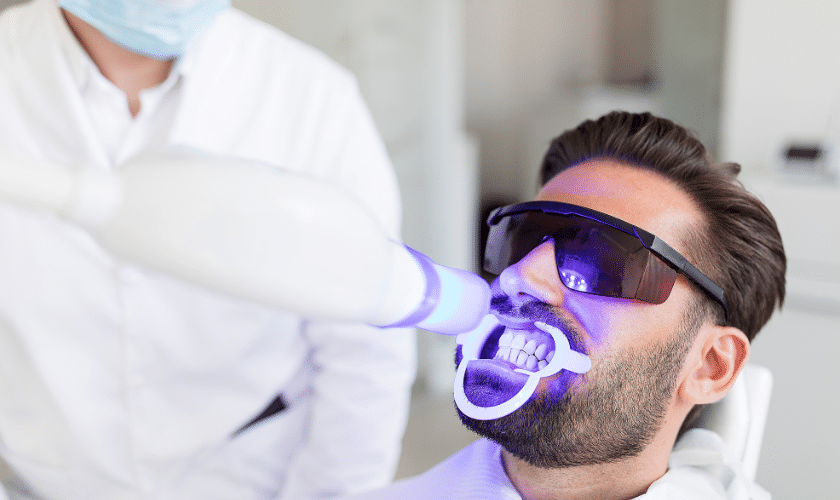
What to Expect During a Professional Teeth Whitening Appointment
April 22, 2023
Cosmetic Dentistry
Stained or discolored teeth can make you feel less confident about smiling in photos, meeting new people, or speaking in professional settings. If regular brushing has not removed the stains, professional teeth whitening may help you achieve a brighter smile safely and effectively.
Unlike everyday whitening products, professional treatment begins with an assessment of your teeth and gums. Your dental provider can identify the type of discoloration you have, discuss your goals, and recommend a whitening method suited to your oral health.
If you are considering Teeth Whitening Albuquerque, knowing what happens before, during, and after your appointment can help you feel prepared and understand what results to expect.
What Happens Before a Professional Whitening Treatment?
Your appointment typically begins with a dental examination. Before applying a whitening product, your dentist will assess your teeth and gums to determine whether treatment is appropriate.
This evaluation may include checking for cavities, gum inflammation, enamel damage, and existing dental restorations. If you have untreated dental problems, those issues may need attention before whitening begins.
Your dentist may also ask about tooth sensitivity, previous whitening treatments, medications, and the results you hope to achieve. Photographs or a shade guide may be used to document your starting tooth color and help compare the results afterward.
This step matters because not every type of discoloration responds equally well to whitening. Understanding the cause helps your dentist recommend an appropriate treatment rather than promising results that may not be achievable.
How Does Professional Teeth Whitening Work?
Professional teeth whitening uses bleaching agents, commonly hydrogen peroxide or carbamide peroxide, to break down stain molecules within the tooth structure. As these molecules change, the teeth can appear lighter.
Whitening may help improve discoloration caused by factors such as:
- Coffee, tea, and other dark-colored beverages
- Tobacco use
- Certain foods that contribute to surface staining
- Natural changes in tooth color over time
- Some forms of age-related discoloration
However, whitening does not work equally well for every stain. Discoloration caused by certain medications, dental trauma, or changes inside a tooth may require a different approach.
Crowns, veneers, fillings, and other tooth-colored restorations also do not whiten like natural enamel. If you have visible restorations, your dentist can explain how whitening may affect the overall appearance of your smile.
What Happens During an In-Office Whitening Appointment?
In-office whitening is designed to brighten natural teeth under professional supervision. The exact procedure depends on the product and treatment system used.
Step 1: Prepare Your Teeth and Protect Your Gums
Your dental team will prepare the treatment area and protect the gums and other soft tissues from the whitening agent. Appropriate barriers are important because concentrated whitening products can irritate oral tissues if they come into contact with them.
Step 2: Apply the Whitening Agent
The whitening product is applied to the surfaces of the teeth according to the manufacturer’s instructions. Depending on the system, the gel may remain in place for a specified period before being removed or reapplied.
Some whitening systems use a specialized light, while others do not require light activation. Your dentist can explain which method is being used and why it is appropriate for your treatment.
Step 3: Monitor Your Comfort
During treatment, you may experience temporary tooth sensitivity or mild gum irritation. Let your dental team know if you feel uncomfortable so they can assess the symptoms and adjust the procedure when appropriate.
Patients with a history of sensitivity should discuss this before treatment begins. Your dentist may recommend preventive measures or an alternative whitening approach.
Step 4: Evaluate the Results
Once the treatment is complete, the whitening agent is removed, and your teeth are assessed. Your dentist may compare the final shade with your starting shade to evaluate the change.
You may notice a difference immediately, although the final appearance can vary depending on the original tooth color, type of staining, and treatment method.
Are Take-Home Whitening Trays Another Option?
Professional whitening does not always have to take place entirely in the dental office. Some patients may be suitable candidates for dentist-supervised take-home whitening.
With this approach, your dentist may provide custom-fitted trays and a whitening product with instructions for use. The trays help hold the gel against the teeth, and treatment is completed over a prescribed period at home.
Take-home whitening can be useful for people who prefer a gradual approach or want flexibility in their routine. However, the duration and results depend on the product, the instructions, and the nature of the discoloration.
Do not use more gel or wear the trays longer than directed. Excessive use can increase sensitivity and irritate the gums.
Your dentist can help you compare in-office whitening and supervised take-home treatment based on your goals, budget, schedule, and oral health.
What Should You Expect After Teeth Whitening?
It is common to experience temporary sensitivity after professional whitening. Some people notice discomfort when consuming cold drinks or breathing in cool air. Mild gum irritation can also occur if the soft tissues are exposed to the whitening product.
These effects generally improve after treatment, but the duration varies. Your dentist may recommend a desensitizing toothpaste or other measures if needed.
To protect your teeth after whitening:
- Follow your dentist’s aftercare instructions.
- Brush gently twice daily with fluoride toothpaste.
- Floss every day to remove plaque between teeth.
- Drink water regularly, especially after meals.
- Limit frequent exposure to coffee, tea, red wine, and other stain-producing foods and drinks.
- Avoid tobacco products, which can contribute to renewed discoloration.
- Contact your dentist if sensitivity is severe, persists, or becomes worse.
You do not necessarily need to eliminate every dark-colored food or beverage permanently. Good oral hygiene and sensible habits can help maintain your results over time.
How Long Do Professional Whitening Results Last?
Professional whitening results can last for months or longer, but they are not permanent. The duration depends on your diet, tobacco use, oral hygiene, natural tooth color, and whether you use maintenance treatments as recommended.
Frequent consumption of coffee, tea, and other staining substances may cause discoloration to return sooner. Regular dental cleanings can help remove surface stains, although they do not replace bleaching when deeper discoloration is present.
Your dentist can explain whether occasional touch-up treatments are appropriate and how to avoid excessive whitening. Repeated treatment without professional guidance may increase sensitivity or irritate the gums.
Is Professional Teeth Whitening Right for Everyone?
Professional whitening is suitable for many adults, but an examination is important before treatment. People with untreated cavities, active gum disease, significant tooth sensitivity, or certain types of discoloration may need alternative care first.
Whitening may also be less predictable for teeth that have undergone trauma or have extensive restorations. In these cases, your dentist may discuss options such as bonding, veneers, or other cosmetic treatments.
If you are pregnant or breastfeeding, discuss whitening with your dental provider before proceeding, as elective whitening is commonly postponed because safety evidence is limited.
The best approach is to choose treatment based on your oral health and desired outcome rather than simply selecting the strongest available product.
Get Ready to Show Off Your Smile
Professional teeth whitening can be an effective way to reduce certain stains and brighten natural teeth. A dental examination, appropriate treatment selection, and careful aftercare all help support a more comfortable experience and realistic expectations.
At Uptown Dental Associates, you can discuss your cosmetic goals and learn which whitening options may suit your needs.
Contact Uptown Dental Associates to schedule a teeth whitening consultation. Your dental team can evaluate your smile, explain the available treatments, and help you decide on the next step toward a brighter appearance.
Medical Disclaimer: This article is for educational purposes only and does not replace professional dental advice, diagnosis, or treatment. Consult a qualified dental professional to determine whether teeth whitening is appropriate for your individual needs.
Frequently Asked Questions About Professional Teeth Whitening
- How long does a professional teeth whitening appointment take?
The appointment length depends on the whitening system used and whether an examination or other dental care is needed. In-office whitening often takes approximately 30–90 minutes, but your dentist can provide a more specific estimate.
- Does professional teeth whitening hurt?
Most patients tolerate whitening well, but temporary sensitivity or mild gum irritation can occur. Tell your dentist if you already have sensitive teeth so the treatment can be planned with your comfort in mind.
- How soon will I see results after professional whitening?
Many patients notice a change after an in-office treatment, although the degree of whitening varies. The outcome depends on your natural tooth shade, the type of stains, and the treatment method.
- Can teeth whitening damage enamel?
When used appropriately under professional guidance, whitening products are generally considered safe for suitable candidates. However, improper use or excessive treatment can cause sensitivity and gum irritation. A dental examination helps identify concerns before treatment.
- How can I keep my teeth white after treatment?
Brush twice daily with fluoride toothpaste, floss daily, avoid tobacco, and limit frequent exposure to stain-producing foods and drinks. Regular dental cleanings and dentist-approved touch-ups may help maintain your results.
Recent Posts

Nov. 12, 2026
When Is It Time for a Dental Visit? 10 Signs You Shouldn’t Ignore

Nov. 10, 2026
Your Broken Tooth Survival Guide: What to Do Right Now

Nov. 10, 2026
Afraid of the Dentist? Here’s What Modern Offices Do Differently
Nov. 05, 2026
Dental Implants: The Permanent Solution to Restore Your Smile
Oct. 29, 2026