
Call: 505-219-4548

Will Dental Implants Look Like Real Teeth? What You Should Know
October 29, 2026
Dental Implants
Losing a tooth can affect more than your ability to chew comfortably. It may also change the way you smile, speak, and feel about your appearance. If you are considering tooth replacement, you may wonder whether other people will notice the difference between a dental implant and your natural teeth.
The good news is that modern dental restorations are designed to look natural and complement your existing smile. With careful planning, appropriate materials, and a customized restoration, dental implants can provide a replacement tooth that blends in with the surrounding teeth.
For people considering Dental Implants In Albuquerque, understanding how these restorations are designed, fitted, and maintained can make the decision easier. Here is what you should know about achieving a natural-looking smile.
What Makes Dental Implants Look Natural?
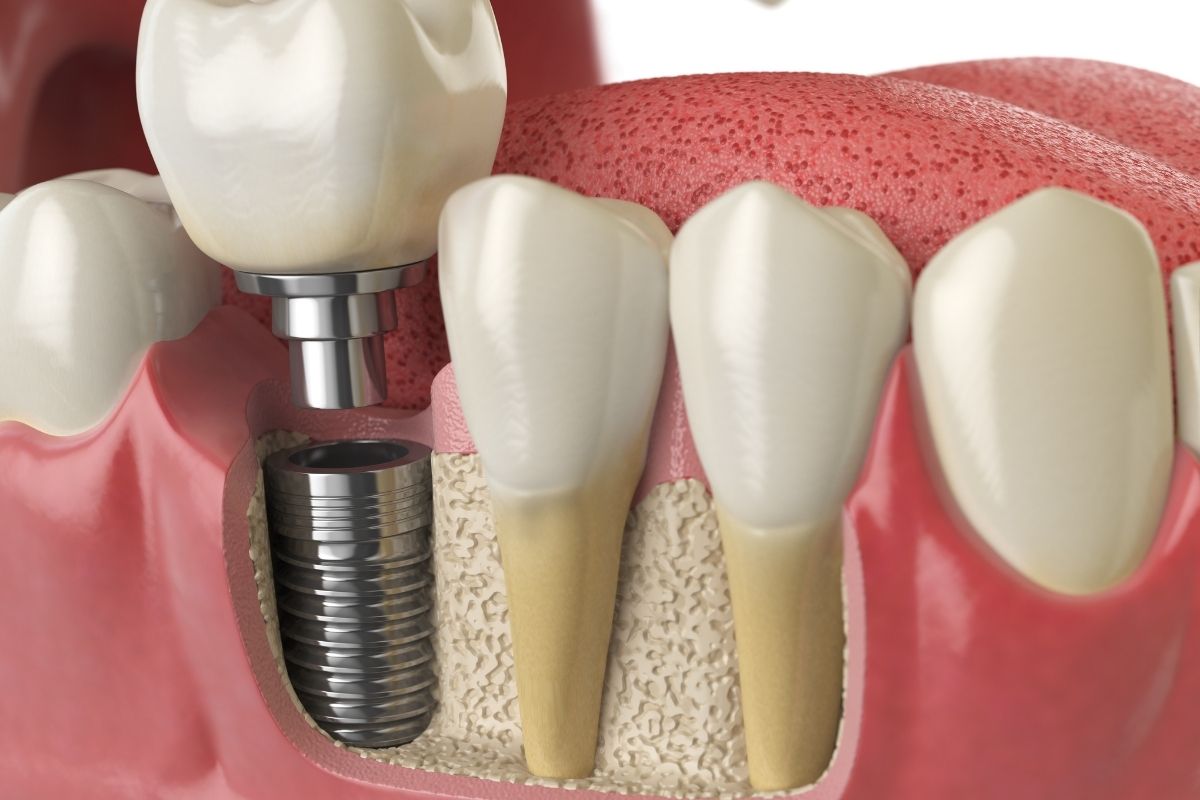
A dental implant replaces a missing tooth with a restoration supported by an implant post placed in the jawbone. The visible portion is typically a crown, bridge, or denture, depending on how many teeth need replacement.
Several factors influence how natural the finished result looks.
- Tooth color: The restoration is selected to complement the shade of your surrounding teeth.
- Shape and size: Its proportions are customized to suit your smile and the position of the missing tooth.
- Material selection: Porcelain and certain ceramic materials can reproduce the appearance of natural enamel.
- Placement and alignment: Appropriate positioning helps the replacement tooth fit harmoniously with the rest of your smile.
- Gum appearance: Healthy gum tissue and careful treatment planning contribute to a natural-looking result.
Every patient’s mouth is different, so the final appearance depends on individual anatomy, oral health, and the type of restoration used.
How Different Implant Restorations Affect Your Smile
The number of missing teeth and their location help determine which type of restoration may be appropriate. Each option offers different benefits for appearance and function.
- Implant-Supported Dental Crowns
A dental crown is commonly used to replace a single missing tooth with the support of a dental implant. The implant post acts as an artificial tooth root, while the crown restores the visible portion of the tooth.
Your dentist considers the shade, shape, width, and overall proportions of the surrounding teeth when planning the crown. Modern restorative materials can reproduce many of the visual characteristics of natural enamel.
Because the crown is custom-made, it can be designed to blend with nearby teeth rather than look like a separate or mismatched replacement.
- Implant-Supported Bridges
When several adjacent teeth are missing, an implant-supported bridge may be an appropriate option. Instead of replacing each missing tooth with an individual implant, a bridge can use strategically placed implants to support multiple replacement teeth.
The restoration is designed to follow the natural contours of your smile. Its color, shape, and positioning are planned to create a consistent appearance across the replacement teeth.
An implant-supported bridge may also restore chewing function and help prevent the shifting of neighboring teeth into the empty space. The appropriate design depends on the number of missing teeth, available bone, and individual treatment needs.
- Implant-Supported Dentures
People missing many or all of their teeth may benefit from implant-supported dentures. These restorations attach to dental implants, providing additional stability compared with many conventional removable dentures.
Because they are supported by implants, they may reduce slipping or movement during speaking and eating. The replacement teeth can also be selected and arranged to complement the patient’s facial features and smile.
Some implant-supported dentures are removable for cleaning, while others are fixed in place. Your dentist can explain which design is appropriate for your circumstances.
Can Someone Tell That You Have Dental Implants?
In many cases, a well-planned dental implant restoration can be difficult to distinguish from a natural tooth during everyday interactions. However, no restoration is guaranteed to be completely unnoticeable.
The final appearance depends on several factors, including the location of the missing tooth, the condition of the gums, the quality of the restoration, and the amount of available bone.
Front teeth can require particularly careful aesthetic planning because they are highly visible when you smile or speak. The gumline, tooth proportions, and color matching all contribute to the result.
Your dentist may also need to address existing dental concerns before implant placement. For example, gum disease or insufficient jawbone may require treatment before proceeding.
A thorough evaluation helps establish realistic expectations and allows your dental team to develop a treatment plan that prioritizes both appearance and function.
How Long Does It Take for Dental Implants to Look Natural?
The timeline varies from patient to patient. Some people may receive a temporary restoration during part of the treatment process, while others need to wait for healing before their final crown, bridge, or denture is attached.
After implant placement, the implant typically needs time to integrate with the surrounding jawbone. This process, known as osseointegration, helps create a stable foundation for the final restoration.
The overall treatment timeline depends on factors such as:
- The number of implants being placed
- The condition and density of the jawbone
- Whether a tooth extraction or bone graft is needed
- The location of the implant
- Individual healing and treatment requirements
Your dentist will explain the expected stages of treatment and when the permanent restoration may be placed. Following postoperative instructions and attending follow-up visits are important parts of achieving a successful result.
How to Keep Your Dental Implants Looking Their Best
Dental implants do not develop cavities in the same way as natural teeth, but the surrounding gums and supporting bone still need careful attention. Poor oral hygiene can lead to inflammation and peri-implant disease, which may threaten implant stability.
Follow these habits to protect your restoration:
Brush twice daily. Use a soft-bristled toothbrush and fluoride toothpaste to clean your natural teeth and the visible surfaces of your restoration.
Clean between your teeth every day. Use dental floss, interdental brushes, or other cleaning aids recommended by your dentist to remove plaque around the implant.
Attend regular dental checkups. Professional examinations help monitor your gums, implant stability, and the condition of the restoration.
Avoid smoking. Tobacco use can interfere with healing and increase the risk of implant complications.
Protect your teeth from excessive pressure. If you grind or clench your teeth, ask your dentist whether a protective nightguard is appropriate.
Follow personalized aftercare instructions. Your dental team can recommend the best cleaning techniques for your particular crown, bridge, or denture.
Consistent care helps preserve the appearance and function of your restoration while supporting the health of the surrounding tissues.
Are Dental Implants the Right Choice for You?
Dental implants can be an effective option for replacing missing teeth, but they are not suitable for everyone without further evaluation. Your general health, gum condition, jawbone volume, medications, and oral hygiene habits can all influence treatment planning.
During a consultation, your dentist can examine your mouth, review your dental history, and determine whether implants are appropriate. If additional procedures are needed, such as bone grafting or treatment for gum disease, those steps can be discussed before implant placement.
If you are exploring dental implants in Albuquerque, focus on finding a treatment plan that addresses your oral health, chewing function, and aesthetic goals together.
Restore Your Smile With Confidence
Replacing missing teeth can help restore your ability to chew, speak, and smile comfortably. Modern implant restorations offer several options for replacing one tooth, multiple teeth, or an entire arch, with designs tailored to your individual needs.
At Uptown Dental Associates, patients can discuss their restorative options and learn what may be possible for their smiles.
Contact Uptown Dental Associates to schedule a dental implant consultation. A professional evaluation can help you understand your options, expected treatment timeline, and the steps involved in achieving a natural-looking restoration.
Medical Disclaimer: This article is for educational purposes only and does not replace professional dental advice, diagnosis, or treatment. A dental professional can determine which tooth replacement options are appropriate for your individual needs.
Frequently Asked Questions About the Appearance of Dental Implants
- Do dental implants look exactly like natural teeth?
Dental implants can be designed to closely resemble natural teeth. The crown, bridge, or denture is customized to complement the surrounding teeth. However, the final appearance varies according to the restoration, gum condition, and individual anatomy.
- Will my dental implant look different from my other teeth?
A well-designed restoration should blend with your existing smile. Your dentist considers factors such as tooth shade, shape, size, and alignment to create a harmonious appearance. Matching can be more challenging when surrounding teeth have significant discoloration or unusual shapes.
- Are dental implants noticeable when I talk or smile?
Many implant restorations are designed to look natural during everyday activities, including speaking and smiling. Proper fit, positioning, and appearance are important, particularly for teeth near the front of the mouth.
- How long does it take to complete dental implant treatment?
Treatment can take several months because the implant often needs time to integrate with the jawbone before the final restoration is attached. The timeline varies depending on healing, bone health, and whether additional procedures are required.
- How can I keep my dental implants looking natural?
Brush twice daily, clean between your teeth, avoid tobacco, and attend regular dental checkups. Follow your dentist’s cleaning instructions and seek professional advice if you notice bleeding gums, swelling, discomfort, or movement around an implant.
Recent Posts
Nov. 05, 2026
Dental Implants: The Permanent Solution to Restore Your Smile
Oct. 29, 2026
Will Dental Implants Look Like Real Teeth? What You Should Know

Oct. 23, 2026
Why Are Your Teeth So Sensitive? 10 Ways to Find Relief and Protect Your Smile

Oct. 20, 2026
6 Popular Cosmetic Dentistry Procedures That Can Transform Your Smile

Oct. 12, 2026