
Call: 505-219-4548
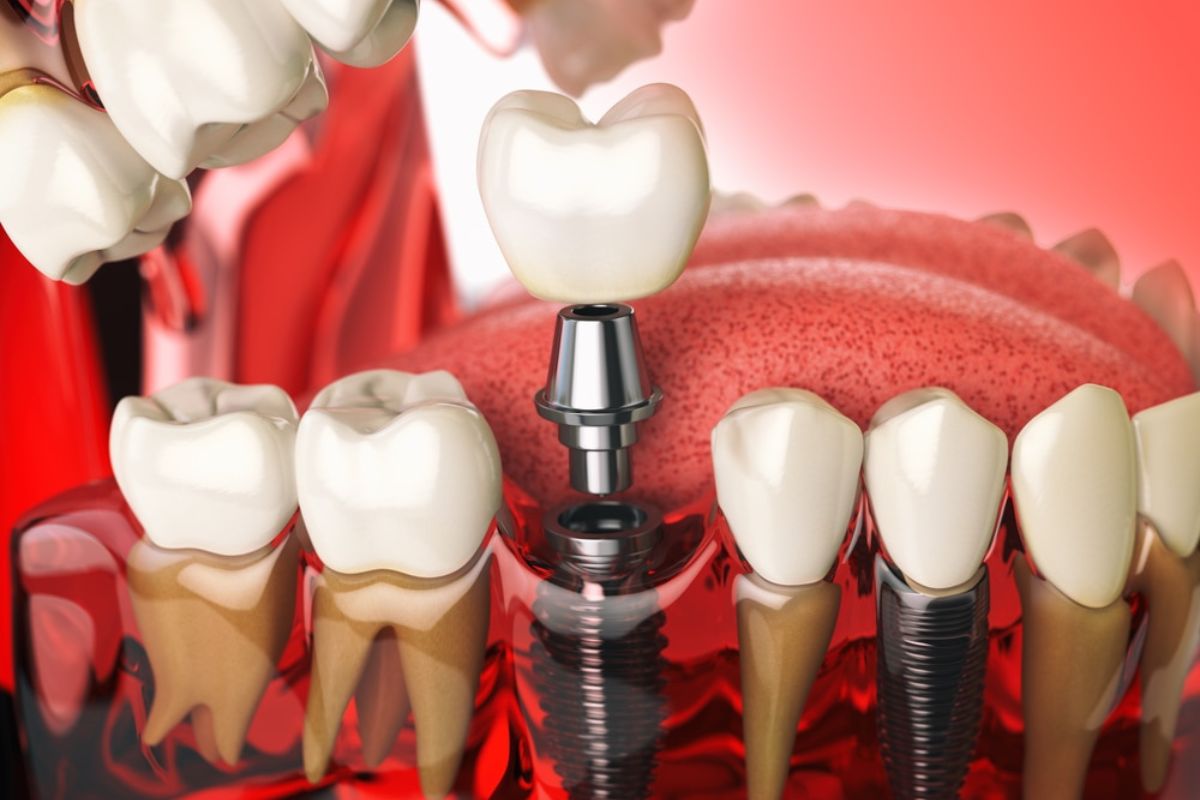
How Bone Loss Progresses After Tooth Loss and What Implant Patients Should Know
June 4, 2026
Dental Implants
Losing a tooth can feel like a cosmetic issue at first. Many people focus on the visible gap in their smile and assume they can address it later when it becomes more noticeable. What often goes unnoticed, however, is what happens beneath the surface.
Your teeth do more than help you chew and smile. They also play a critical role in maintaining the strength and shape of your jawbone. When a tooth is lost, the bone that once supported it begins to change. Over time, this process can affect not only your oral health but also your appearance and future treatment options.
For patients considering dental implants in Albuquerque, understanding how bone loss progresses after tooth loss can help them make informed decisions about protecting their long-term oral health.
Why Does Bone Loss Happen After Losing a Tooth?
Your jawbone relies on stimulation from tooth roots to stay strong and healthy. Every time you chew, pressure travels through the roots into the surrounding bone. This stimulation signals the body to maintain bone density in that area.
When a tooth is removed or lost, that stimulation disappears.
The body begins to recognize that the bone is no longer needed to support a tooth. As a result, it starts to break down and reabsorb the bone tissue, a process known as bone resorption.
Unlike a broken arm that naturally rebuilds after healing, jawbone loss continues unless the missing tooth is replaced with a solution that restores stimulation.
What Happens During the First Year?
Bone loss starts surprisingly quickly.
During the first few months after tooth loss, the jawbone begins shrinking in both height and width. Studies have shown that a significant amount of bone reduction can occur within the first year.
Patients may notice:
- Changes in the shape of their gums
- A sunken appearance around the missing tooth
- Shifting of neighboring teeth
- Increased difficulty chewing on one side
For Albuquerque residents who enjoy local favorites such as green chile burgers, breakfast burritos, and meals at Old Town restaurants, even a single missing tooth can gradually impact eating comfort and efficiency.
How Does Bone Loss Continue Over Time?
Bone loss does not stop after the first year.
The process often continues slowly for many years, especially when multiple teeth are missing.
Long-term consequences may include:
- Jawbone shrinkage
- Changes in facial appearance
- Wrinkling around the mouth
- Reduced lip support
- Difficulty wearing dentures
- Increased risk of additional tooth loss
Many people are surprised to learn that the lower jaw often experiences bone loss more rapidly than the upper jaw.
As the bone becomes thinner, future tooth replacement procedures may become more complex.
Can Missing Teeth Affect Nearby Teeth?
Yes.
When a tooth is lost, neighboring teeth often begin drifting toward the space.
This movement can create several problems:
- Bite misalignment
- Uneven chewing pressure
- Increased wear on healthy teeth
- Food trapping between teeth
- Higher risk of gum disease
What starts as one missing tooth can eventually contribute to multiple dental concerns if left untreated.
How Does Bone Loss Change Facial Appearance?
One of the lesser-known effects of tooth loss is its impact on facial structure.
Your jawbone provides support for the muscles and tissues of the lower face. As bone volume decreases, the face may begin to look older than it actually is.
Some common changes include:
- Sunken cheeks
- Thinner lips
- Increased wrinkles around the mouth
- Shortened facial profile
- Sagging appearance around the jawline
These changes often occur gradually, making them difficult to notice until significant bone loss has occurred.
Why Are Dental Implants Different?
Traditional tooth replacement options restore appearance and chewing function, but they do not replace the missing tooth root.
Dental implants are unique because they are placed directly into the jawbone. Once integrated with the bone, they provide stimulation similar to a natural tooth root.
Benefits include:
- Preservation of jawbone density
- Prevention of further bone loss
- Improved chewing ability
- Long-term stability
- Natural appearance
- Support for facial structure
For patients exploring dental implants Albuquerque, one of the biggest advantages is the ability to help maintain healthy bone levels long after tooth loss occurs.
Is It Ever Too Late to Replace a Missing Tooth?
Not necessarily.
Even patients who have experienced bone loss for several years may still qualify for treatment.
Modern dentistry offers solutions such as:
- Bone grafting
- Ridge preservation procedures
- Advanced implant planning
- Digital 3D imaging
These techniques help many patients rebuild sufficient bone for successful implant placement.
The sooner treatment is considered, however, the more options are often available.
Why Albuquerque Patients Shouldn’t Ignore Missing Teeth
Albuquerque’s active lifestyle encourages people to stay engaged with family, community events, and outdoor activities throughout the year.
Whether you’re attending the Albuquerque International Balloon Fiesta, hiking in the Sandia Mountains, or enjoying local cuisine with friends, strong and healthy teeth contribute to comfort and confidence.
Addressing tooth loss early can help preserve both your oral health and quality of life.
Protect Your Smile Before Bone Loss Progresses
Bone loss after tooth loss is a gradual process, but its effects can become significant over time. The good news is that modern dentistry provides effective solutions that help preserve jawbone health and restore function.
At Uptown Dental Associates, we help patients understand their treatment options and create personalized plans designed to protect their long-term oral health. If you have a missing tooth or are concerned about changes in your smile, scheduling an evaluation today may help prevent more extensive treatment in the future.
Frequently Asked Questions
How soon does bone loss begin after tooth loss?
Bone loss can begin within the first few months after a tooth is lost. The most rapid changes often occur during the first year.
Can bone loss be reversed?
In some cases, bone grafting procedures can rebuild lost bone and prepare the area for future treatment.
Do all missing teeth cause bone loss?
Yes. Any missing tooth can lead to bone resorption because the jaw no longer receives stimulation from the tooth root.
Are dental implants the only option that helps preserve bone?
Dental implants are currently the most effective tooth replacement option for maintaining jawbone stimulation and reducing ongoing bone loss.
What if I’ve been missing a tooth for many years?
You may still be a candidate for treatment. A comprehensive examination and imaging evaluation can determine the available options.
Is bone loss painful?
Bone loss itself is usually not painful. Many patients are unaware it is happening until noticeable changes occur.
Can dentures prevent bone loss?
Traditional dentures replace missing teeth visually but do not stimulate the jawbone like tooth roots or implants.
Recent Posts

Oct. 20, 2026
6 Popular Cosmetic Dentistry Procedures That Can Transform Your Smile

Oct. 12, 2026
Afraid of the Dentist? Here’s What Modern Practices Do Differently
Aug. 13, 2026
The One-Hour Fix Behind a Lot of Albuquerque’s Brightest Smiles
Aug. 05, 2026
What to Do in the First Hour of a Dental Emergency

Jul. 21, 2026