
Call: 505-219-4548
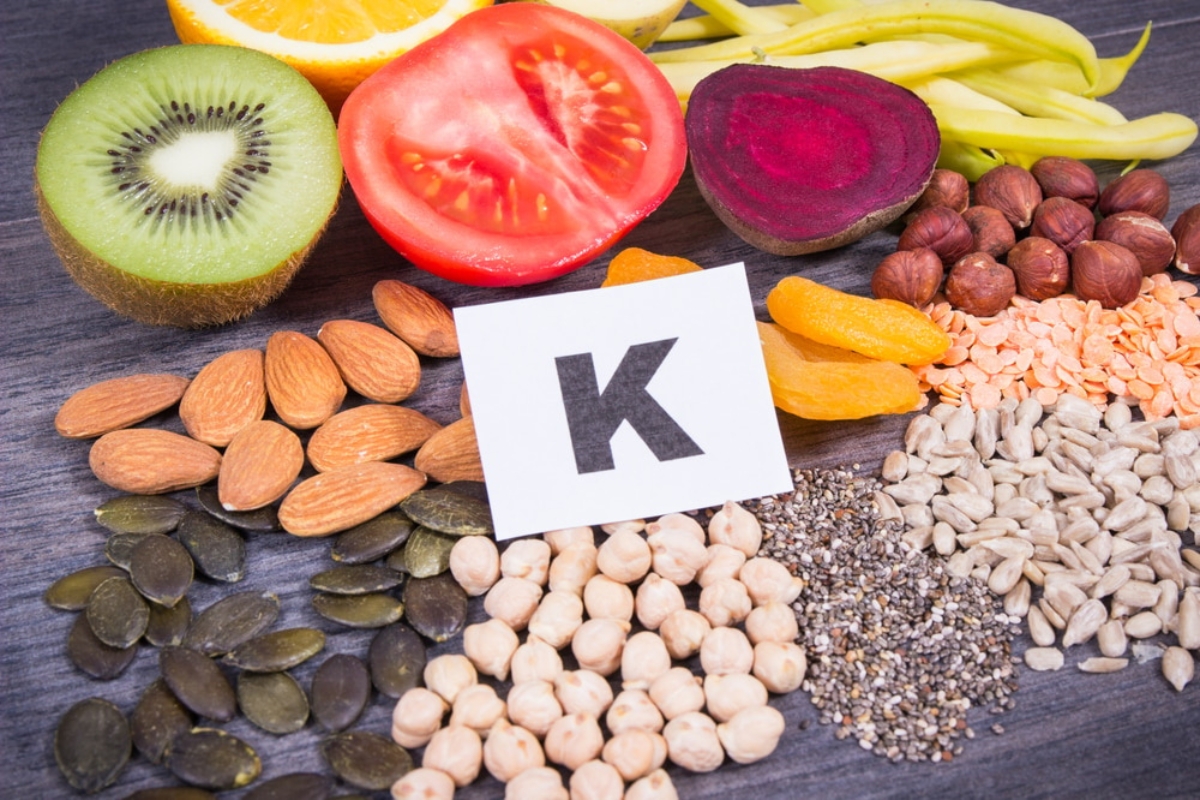
What Are the Hidden Tooth-Damaging Foods That Albuquerque Families Should Know
May 13, 2026
Dental Health
Most people expect candy and soda to damage teeth. What surprises many families is how everyday foods quietly create dental problems over time. Some snacks stick to enamel for hours. Others weaken teeth through acid exposure. Even foods marketed as healthy can increase the risk of cavities, enamel wear, and gum irritation when eaten too often. Busy schedules also shape eating habits. Quick snacks during long workdays, sugary coffee drinks, and sports drinks after hiking affect oral health more than people realize. Dry weather can make things worse because reduced saliva allows acids to stay on teeth longer.
During hot summer afternoons, many residents reach for flavored drinks that contain hidden sugars and acids that slowly weaken enamel throughout the day. Families often overlook these daily habits until sensitivity or tooth pain begins. That is why regular dental visits can often identify early warning signs before larger concerns develop. When seeking a dentist in Albuquerque, ensure the practice offers a range of dental services from preventive to restorative. Uptown Dental Associates helps patients understand how food choices affect long-term oral health and provides preventive care tailored to their needs.
Why Do Everyday Foods Cause More Damage Than People Expect?
This section explains why certain foods quietly affect enamel, gums, and overall oral health over time:
Sticky Foods Stay on Teeth Longer
Sticky foods create longer acid exposure. Dried fruit, chewy granola bars, caramel snacks, and gummy candies cling to enamel after eating. Bacteria feed on leftover sugars and release acids that weaken teeth. Many parents choose dried fruit because it feels healthier than candy. However, raisins and fruit snacks often remain trapped between teeth for hours.
Acidic Foods Slowly Wear Down Enamel
Acid softens enamel before cavities even begin. Citrus fruits, sparkling water, sports drinks, and flavored energy beverages increase enamel erosion when consumed regularly. People often sip these drinks slowly throughout the day. That repeated exposure prevents enamel from recovering naturally. According to the American Dental Association, enamel erosion can increase tooth sensitivity and increase the risk of cavities over time.
Refined Carbohydrates Feed Harmful Bacteria
Crackers, chips, white bread, and processed snacks quickly break down into sugars inside the mouth. Bacteria then produce acids that attack enamel. Potato chips especially create problems because small particles remain trapped near the gumline after eating.
Frequent Snacking Keeps the Mouth Acidic
Teeth need time to recover after meals. Constant snacking keeps acid levels elevated throughout the day. Many people snack during commutes, office work, or weekend events without realizing how often their teeth face acid attacks. Popular local events often include sugary fried foods and flavored drinks that increase cavity risk when eaten repeatedly throughout the day.
Foods That Quietly Create Dental Problems Over Time
This section highlights common foods that many families eat daily without realizing their long-term effects:
Coffee Drinks With Added Syrups
Plain coffee causes less concern than flavored versions. Sweet creamers, syrups, and whipped toppings add large amounts of sugar. Dark coffee also stains enamel over time, especially when consumed daily.
Sports Drinks After Outdoor Activities
Sports beverages often contain acid and sugar together. This combination weakens enamel quickly. After biking trails or hiking local desert paths, many people choose sports drinks instead of water. Unfortunately, these beverages may expose teeth to prolonged acid attacks.
Ice Chewing Creates Small Cracks
Chewing ice feels harmless to many adults. However, hard ice can create pressure that chips enamel or damages fillings. Tiny cracks may not cause immediate pain. Over time, they increase sensitivity and weaken tooth structure.
Sour Candy Creates Double Damage
Sour candies combine sugar with strong acids. This combination creates one of the harshest environments for enamel. Children and teens often eat these snacks slowly, which increases exposure time.
Flavored Yogurt and Smoothies
Many yogurt cups contain added sugars that surprise parents. Store-bought smoothies may also include sweetened fruit concentrates. These drinks coat teeth with sugar while appearing healthy.
Smarter Food Habits That Help Protect Teeth Every Day
This section focuses on practical habits that help reduce daily enamel damage and support healthier smiles:
Pair Sugary Foods With Meals
Eating sweets during meals reduces damage compared to snacking alone. Saliva production increases during meals and helps wash away sugars.
Drink More Water Throughout the Day
Water helps rinse away food particles and acids naturally. It also supports saliva production. Choosing water after snacks can reduce lingering sugar exposure.
Choose Crunchy Fruits and Vegetables
Crunchy foods help stimulate saliva production and naturally clean the tooth surfaces. Apples, celery, and carrots make better snack options than sticky processed foods.
Watch for Hidden Sugars on Labels
Many packaged foods contain hidden sugars under different names. Granola bars, flavored oatmeal, bottled tea, and sauces often contain more sugar than expected. Reading labels carefully helps families make smarter choices.
Schedule Preventive Dental Visits
Routine exams help identify enamel wear before major damage develops. Small concerns often remain painless during the early stages.
If you are considering a visit to a dentist in Albuquerque, it’s helpful to understand how dietary choices affect oral development and the risk of cavities.
Could Your Daily Routine Be Hurting Your Smile Without You Knowing It?
This section explains how habits surrounding meals and snacks often increase oral health risks:
Brushing Immediately After Acidic Foods
Many people brush right after drinking orange juice or soda. Acid temporarily softens enamel. Immediate brushing may wear enamel down faster. Dental professionals often recommend waiting around 30 minutes before brushing.
Sipping Drinks All Day
Continuous sipping exposes teeth to repeated acid attacks. Coffee, sweet tea, soda, and flavored water become more damaging when consumed slowly over several hours. Using a straw may help reduce direct contact with teeth.
Late Night Snacking Before Bed
Saliva production decreases during sleep. Sugary snacks before bedtime create ideal conditions for cavity-causing bacteria. People who fall asleep after drinking juice or sweet milk face higher cavity risks.
Dry Mouth Makes Damage Worse
Dry conditions reduce saliva flow. Saliva normally protects enamel by washing away bacteria and neutralizing acids. The desert climate around Albuquerque can contribute to dry mouth symptoms, especially during windy spring months and during long outdoor activities.
Build Healthier Daily Habits with Us
Food choices affect oral health every single day. Small habits may seem harmless at first, yet repeated exposure to sugar and acid slowly changes the condition of teeth and gums. The earlier families recognize these patterns, the easier it becomes to prevent larger dental concerns later on.
Healthy smiles usually come from consistency instead of perfection. Drinking more water, limiting acidic snacks, and scheduling preventive visits can make a noticeable difference over time. At Uptown Dental Associates, we offer a wide range of services and personalized dental care. Book an appointment with our dentist in Albuquerque to help identify concerns early and support healthier habits for the future.
FAQs
Can sparkling water damage teeth over time?
Plain sparkling water creates less risk than flavored varieties. Many flavored options contain citric acid and added sweeteners. Frequent sipping throughout the day may slowly weaken enamel and increase sensitivity if proper oral hygiene is not followed.
Why do teeth feel sensitive after eating sour foods?
Sour foods contain acids that temporarily soften enamel. Repeated exposure can expose sensitive inner layers of the tooth. Cold drinks or brushing too soon afterward may increase discomfort and make teeth feel more sensitive.
Are fruit juices healthier for teeth than soda?
Fruit juice may contain vitamins, but many options still hold high sugar and acid levels. Drinking juice slowly throughout the day increases enamel exposure. Water remains a better option for protecting long-term oral health.
Can dry mouth increase cavity risk?
Yes. Saliva helps remove bacteria and neutralize acids naturally. Reduced saliva allows food particles and acids to remain longer on teeth. Dry mouth may also cause bad breath, sensitivity, and increased plaque buildup over time.
Do healthy snacks always protect teeth?
Not always. Some foods marketed as healthy still contain sticky sugars or acids that affect enamel. Dried fruit, flavored yogurt, and sweetened smoothies may increase cavity risk when consumed frequently without proper cleaning afterward.
Recent Posts

Oct. 20, 2026
6 Popular Cosmetic Dentistry Procedures That Can Transform Your Smile

Oct. 12, 2026
Afraid of the Dentist? Here’s What Modern Practices Do Differently
Aug. 13, 2026
The One-Hour Fix Behind a Lot of Albuquerque’s Brightest Smiles
Aug. 05, 2026
What to Do in the First Hour of a Dental Emergency

Jul. 21, 2026