
Call: 505-219-4548
How Spicy Southwestern Cuisine Affects Tooth Sensitivity and Gum Health
February 20, 2026
Dentist
In Albuquerque, food is more than a meal—it’s part of our identity. From red and green chile-smothered dishes to fresh salsa served at neighborhood restaurants along Central Avenue, bold flavors define local culture. Whether you’re grabbing lunch near Uptown or meeting friends after the festivities of the Albuquerque International Balloon Fiesta, spicy Southwestern cuisine is everywhere.
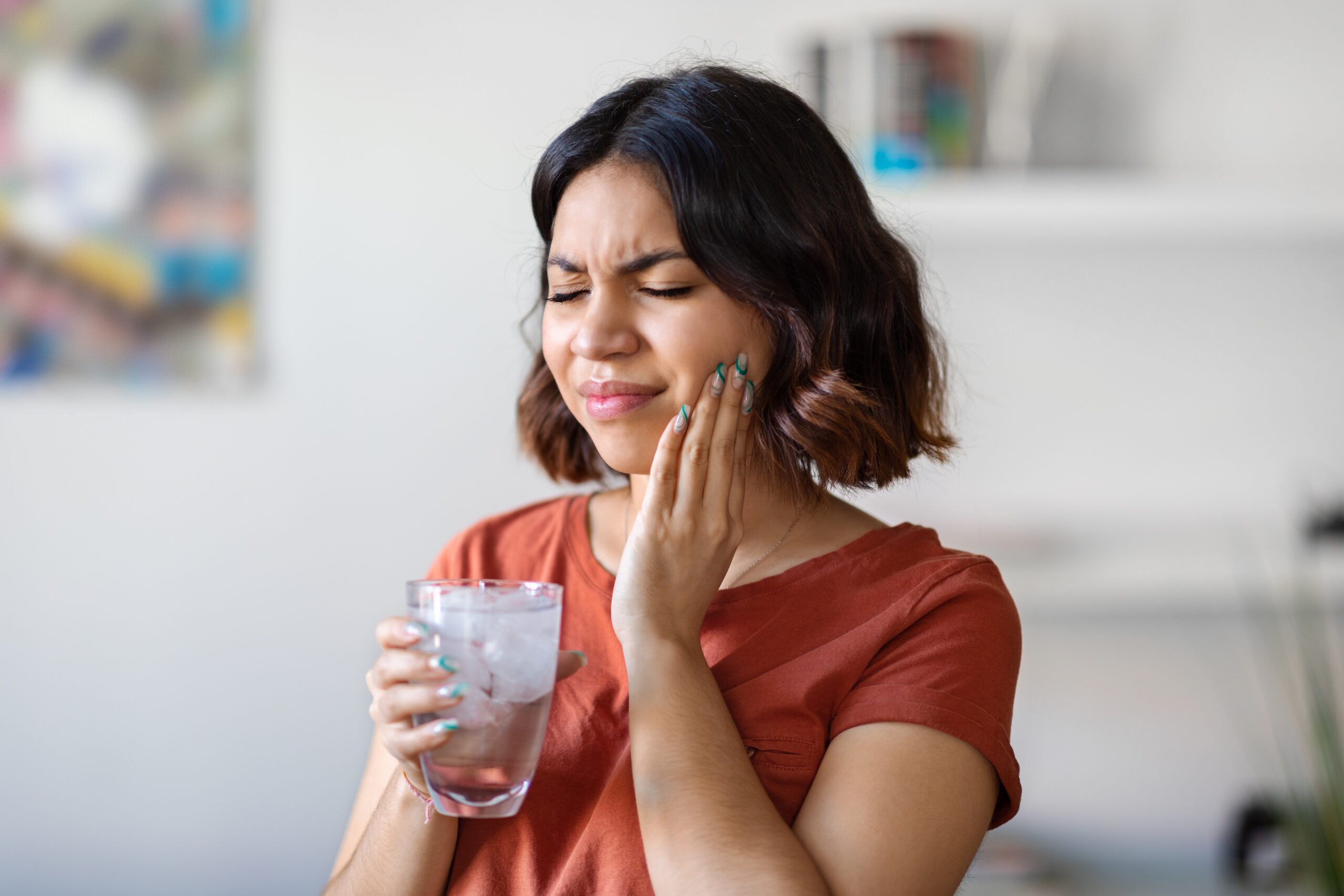
But have you ever noticed your teeth feeling more sensitive after a particularly hot meal? Or your gums feeling slightly irritated the next day? It’s not your imagination.
While chile peppers themselves aren’t harmful to teeth, the way spicy foods interact with enamel, gums, and saliva can influence your oral health. A trusted Albuquerque dentist often sees patients who enjoy local cuisine but struggle with sensitivity or gum discomfort without realizing the connection.
Let’s take a closer look at how your favorite flavors may be affecting your smile—and what you can do about it.
The Science Behind Spicy Foods and Sensitivity
Spicy foods contain compounds like capsaicin, which create that familiar heat sensation. Capsaicin doesn’t directly damage enamel, but it can:
• Irritate already sensitive gum tissue
• Trigger inflammation in susceptible individuals
• Increase awareness of exposed tooth roots
• Encourage frequent acidic beverage consumption (like soda or margaritas)
If you already have mild gum recession or enamel wear, spicy foods may amplify discomfort.
In Albuquerque’s dry climate, reduced saliva production can make the effects more noticeable. Saliva acts as a natural buffer, protecting enamel and soothing soft tissues. When saliva flow decreases—due to dehydration or altitude—irritation lingers longer.
Acid + Spice: A Common Combination
Many Southwestern dishes combine heat with acidity. Think tomatoes, citrus, vinegar-based salsas, and lime juice. Acid is the real concern for enamel.
Frequent exposure to acidic foods can:
• Gradually soften enamel
• Increase tooth sensitivity
• Make teeth more prone to staining
• Contribute to cavity development
If you enjoy spicy enchiladas topped with salsa several times a week, the acid exposure adds up. Over time, enamel may thin, making hot, cold, and sweet foods more uncomfortable.
Gum Health and Inflammation
Spicy food doesn’t cause gum disease. However, if gum tissue is already inflamed due to plaque buildup, spice can aggravate the area.
You might notice:
• Temporary burning sensation
• Increased redness
• Mild swelling
• Bleeding when brushing
These are often early warning signs of gingivitis. If symptoms persist beyond a day or two, it may be time for a professional evaluation.
An experienced albuquerque nm dentist can determine whether your discomfort stems from diet, hygiene habits, or early gum disease.
The Role of Dehydration in Albuquerque
Living at higher elevation near the Sandia Mountains means the air is dry year-round. Combine that with outdoor activities—hiking, biking, or attending events at Sandia Peak Tramway—and dehydration becomes common.
Dry mouth increases the risk of:
• Tooth decay
• Gum irritation
• Bad breath
• Heightened sensitivity
Spicy foods may feel more intense when saliva levels are low. Staying hydrated helps balance the oral environment and minimize irritation.
Smart Ways to Enjoy Spicy Food Without Damaging Your Smile
You don’t have to give up green chile. The key is moderation and protective habits.
Here’s what helps:
• Drink water during and after meals
• Avoid brushing immediately after acidic foods (wait 30 minutes)
• Use fluoride toothpaste to strengthen enamel
• Choose a soft-bristled toothbrush
• Limit sugary or acidic beverages with meals
• Schedule regular professional cleanings
If sensitivity persists, desensitizing toothpaste or in-office treatments may provide relief.
When Sensitivity Signals Something More
Occasional discomfort after a spicy meal is normal. Persistent pain is not.
You should schedule an evaluation if you experience:
• Sensitivity lasting more than a few days
• Sharp pain when eating hot or cold foods
• Bleeding gums that don’t improve
• Visible gum recession
• Loose teeth
These signs may indicate enamel erosion, gum disease, or underlying structural issues.
Preventive care allows small problems to be corrected before they become more complex and costly.
Balancing Local Flavor with Long-Term Health
Albuquerque’s culinary scene is a source of pride. Food connects families, celebrates heritage, and brings communities together. The goal isn’t to avoid flavor—it’s to protect your smile while enjoying it.
Routine exams with an Albuquerque dentist provide early detection of enamel wear and gum inflammation. Professional cleanings remove plaque buildup that contributes to sensitivity and gum irritation.
A personalized preventive plan ensures you can continue enjoying your favorite dishes comfortably.
Protect Your Smile While Enjoying Albuquerque’s Best Flavors
Spicy Southwestern cuisine is part of what makes Albuquerque special. With the right preventive care and daily habits, you can enjoy bold flavors without sacrificing comfort or oral health.
If you’ve noticed increased sensitivity or gum discomfort, now is the time to act. Early evaluation makes treatment simpler and more effective.
Schedule your appointment today at Uptown Dental Associates and keep your smile strong—no matter how hot the chile gets.
Frequently Asked Questions
Does spicy food cause cavities?
Not directly. However, acidic ingredients often paired with spicy dishes can weaken enamel, increasing cavity risk over time.
Why do my gums burn after eating hot chile?
If your gums are already inflamed, spicy food can temporarily irritate the tissue.
Can enamel grow back once it’s worn down?
Enamel does not regenerate naturally, but fluoride treatments can strengthen remaining enamel and slow further damage.
Is tooth sensitivity permanent?
Not always. Many cases improve with desensitizing toothpaste, fluoride treatments, or addressing gum recession.
How often should I visit the dentist if I have sensitivity?
Most adults benefit from visits every six months, though your provider may recommend more frequent care if you have ongoing issues.
Recent Posts

Oct. 20, 2026
6 Popular Cosmetic Dentistry Procedures That Can Transform Your Smile

Oct. 12, 2026
Afraid of the Dentist? Here’s What Modern Practices Do Differently
Aug. 13, 2026
The One-Hour Fix Behind a Lot of Albuquerque’s Brightest Smiles

Aug. 05, 2026
What to Do in the First Hour of a Dental Emergency

Jul. 21, 2026