
Call: 505-219-4548
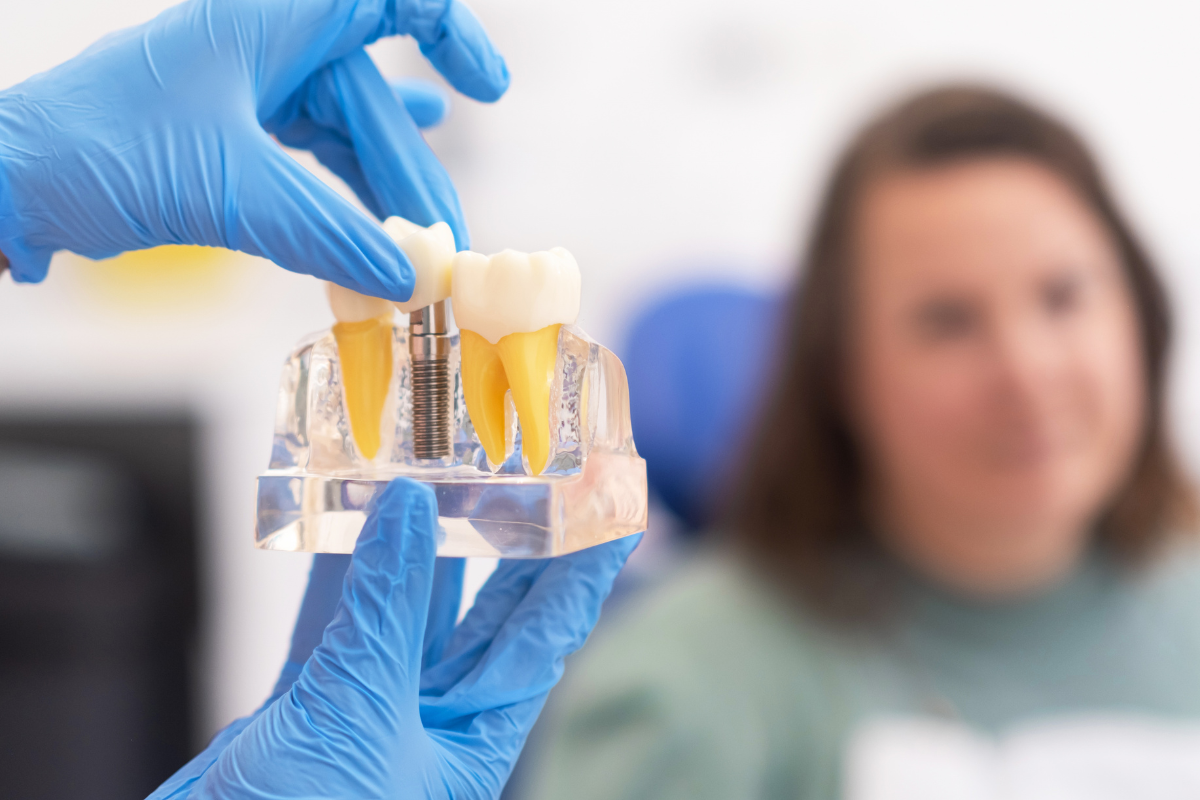
Planning for Dental Implants? 10 Important Questions to Ask Before Treatment
November 15, 2024
Dental Implants
Replacing missing teeth can improve your ability to chew, speak, and smile comfortably. Dental implants are one option for restoring missing teeth, but deciding whether to proceed requires more than understanding how the procedure works. You also need to know whether you are a suitable candidate, what treatment involves, how much it may cost, and what you can expect during recovery.
Asking the right questions before treatment helps you understand your options and make an informed decision about your oral health. If you are researching Dental Implants In Albuquerque, preparing for your consultation can help you discuss your concerns and establish realistic expectations.
Here are 10 important questions to ask your dentist before moving forward with dental implant treatment.
- Am I a Good Candidate for Dental Implants?
Not everyone is immediately ready for implant placement. Your dentist will need to evaluate your oral health, jawbone condition, medical history, and individual treatment needs.
Dental implants typically require sufficient bone to support the implant post. Healthy gums and good oral hygiene are also important for long-term success.
Certain health conditions, medications, tobacco use, and previous dental problems may affect healing or increase the risk of complications. These factors do not automatically rule out treatment, but they may require additional planning.
Ask your dentist whether you are a suitable candidate and whether any preliminary treatment is necessary. If you have insufficient bone, a bone graft may be an option before implant placement.
- How Much Experience Do You Have With Implant Treatment?
Dental implant treatment involves careful planning, precise placement, and coordination with the restoration that will replace your missing tooth. Understanding your provider’s experience can help you feel more confident about your treatment decision.
Ask how long the dentist has been performing implant procedures, what types of cases they commonly treat, and how they approach more complex situations.
You can also ask whether your case requires collaboration with an oral surgeon, periodontist, or another dental specialist.
The goal is not simply to choose a provider who has performed many procedures. You want a dental professional whose training and experience are appropriate for your specific needs.
- What Type of Dental Implant Will You Use?
Dental implants are available from different manufacturers and may vary in design, materials, and connection systems. Your dentist can explain which implant system is being considered and why it is appropriate for your situation.
Questions worth asking include:
- What implant system do you recommend for my case?
- What material is the implant made from?
- Why is this option appropriate for my bone and oral health?
- Will replacement components be available if maintenance is needed in the future?
Titanium and certain titanium alloys are commonly used for dental implants, while ceramic implants are another option in selected cases.
Understanding the proposed system can help you make a more informed decision and keep useful information for future dental care.
- What Are the Potential Risks and Complications?
Dental implant treatment can be successful for many patients, but it is still a surgical procedure with potential risks. These may include infection, bleeding, nerve injury, damage to nearby structures, delayed healing, and failure of the implant to integrate with the jawbone.
The likelihood of complications varies according to your health, anatomy, treatment complexity, and postoperative care.
Ask your dentist which risks are most relevant to your case and how they would be managed if they occurred. You should also understand which symptoms require prompt attention after surgery.
A thorough discussion of risks helps you develop realistic expectations rather than assuming that every procedure will follow the same course.
- What Training and Qualifications Do You Have?
Implant dentistry requires knowledge of oral surgery, restorative dentistry, and the biological process through which an implant integrates with the jawbone.
Ask your dentist about relevant education, continuing training, and experience with the type of procedure you need. If your case is complex, ask whether a specialist should be involved.
It is also reasonable to ask who will perform each stage of treatment, including implant placement and the attachment of the final crown, bridge, or denture.
Understanding the team’s responsibilities can help you know whom to contact if you have questions during treatment or recovery.
- What Sedation or Comfort Options Are Available?
Feeling nervous before dental surgery is common. If anxiety is a concern, discuss available comfort measures before scheduling your procedure.
Depending on the office, your medical history, and the complexity of treatment, options may include local anesthesia, nitrous oxide, oral sedation, or intravenous sedation when appropriate and available.
Ask which options are offered, what preparation is required, and whether you will need someone to accompany you home.
Sedation is not necessary for every implant procedure. Your dentist can explain the benefits, limitations, and risks of the available options so you can make a decision based on your comfort and safety.
- What Will My Dental Implant Treatment Involve?
Dental implant treatment usually takes place in several stages, although the exact sequence depends on your oral health and the restoration being planned.
Your treatment may involve:
- Consultation and examination: Your dentist evaluates your teeth, gums, bite, and medical history.
- Diagnostic imaging and planning: X-rays or three-dimensional imaging may be used to assess bone and nearby anatomical structures.
- Preparatory procedures: Tooth extraction, treatment for gum disease, or bone grafting may be needed in some cases.
- Implant placement: The implant post is placed into the jawbone.
- Healing and integration: The implant is allowed to integrate with the surrounding bone.
- Restoration placement: A custom crown, bridge, or denture is attached according to your treatment plan.
In selected cases, a temporary restoration or immediate implant placement may be possible. However, these options depend on clinical findings and are not suitable for everyone.
Ask your dentist to explain your expected treatment sequence, including any alternatives.
- How Long Will Recovery Take?
Recovery varies depending on the number of implants, the location of treatment, your general health, and whether additional procedures are required.
You may experience temporary soreness, swelling, bruising, or tenderness after surgery. These symptoms should generally improve as healing progresses.
The initial surgical site may heal over several weeks, but integration between the implant and jawbone commonly takes several months. Your dentist will determine when the implant is ready to support the final restoration.
Ask when you can return to work, resume exercise, and eat your usual foods. You should also understand how to clean your mouth during recovery and which symptoms require a call to the dental office.
Following your postoperative instructions and attending follow-up visits can help support healing.
- What Will the Complete Treatment Cost?
Understanding the total cost before treatment begins can help you plan financially and avoid unexpected expenses.
The overall price may depend on the number of implants, the type of restoration, diagnostic imaging, extractions, bone grafting, anesthesia, and other procedures included in your treatment plan.
Ask for an itemized estimate that explains what is included and what may be billed separately. You can also ask whether your dental insurance provides any benefits and which payment options are available.
If you are comparing options for dental implants in Albuquerque, make sure you compare the full proposed treatment plans rather than looking at the implant placement fee alone.
The least expensive option is not necessarily the most appropriate for your needs. Your decision should consider clinical suitability, the planned restoration, maintenance requirements, and the overall treatment process.
- How Should I Care for My Dental Implants Long Term?
Dental implants do not develop cavities like natural teeth, but the surrounding gum tissue and bone can still become inflamed or infected. A condition called peri-implant disease can threaten the supporting tissues if it is not addressed.
Ask your dentist how to maintain your implant and how often you should schedule professional examinations.
Long-term care generally includes:
- Brushing twice daily with a soft-bristled toothbrush.
- Cleaning between teeth and around the implant every day.
- Attending regular dental checkups and professional cleanings.
- Avoiding tobacco products.
- Following recommendations for managing teeth grinding or clenching.
- Contacting your dentist if you notice bleeding, swelling, pain, or movement around the implant restoration.
Your dentist may recommend specific cleaning tools based on whether you have an implant-supported crown, bridge, or denture.
Consistent maintenance helps protect your oral health and gives your dental team an opportunity to identify problems early.
Make an Informed Decision About Your Smile
Dental implants can provide a long-term option for replacing missing teeth, but the best treatment plan depends on your individual oral health, goals, and circumstances.
Before proceeding, make sure you understand your candidacy, the provider’s qualifications, the proposed procedure, potential risks, recovery expectations, total cost, and long-term maintenance requirements.
If you are considering Dental Implants In Albuquerque, Uptown Dental Associates can help you explore your tooth replacement options and understand the next steps.
Contact Uptown Dental Associates to schedule a dental implant consultation. Use your appointment to discuss your concerns, ask questions, and determine which approach may be appropriate for restoring your smile.
Medical Disclaimer: This article is for educational purposes only and does not replace professional dental advice, diagnosis, or treatment. Consult a qualified dental professional for recommendations based on your individual needs.
Frequently Asked Questions About Dental Implants
- How do I know if I am a good candidate for dental implants?
Your dentist will evaluate your gum health, jawbone, medical history, and overall oral health. Some patients may need preliminary treatment, such as gum disease management or bone grafting, before implant placement can proceed.
- What should I ask my dentist before getting dental implants?
Ask about the dentist’s experience and training, your suitability for treatment, the implant system being recommended, potential complications, sedation options, recovery time, total cost, and long-term maintenance.
- How long does the dental implant process take?
The process may take several months because the implant generally needs time to integrate with the jawbone before the final restoration is placed. The timeline depends on healing, bone quality, and whether additional procedures are needed.
- Are dental implants painful?
Local anesthesia is used during implant placement to control pain. Some soreness, swelling, and tenderness are common afterward, but these symptoms can usually be managed with the measures recommended by your dental provider. Persistent or worsening pain should be evaluated.
- How long can dental implants last?
Dental implants can last for many years, and some remain functional for decades with appropriate care. Their longevity depends on factors such as oral hygiene, gum health, smoking, general health, and regular professional monitoring. The crown or other restoration may need repair or replacement over time.
Recent Posts
Nov. 05, 2026
Dental Implants: The Permanent Solution to Restore Your Smile

Oct. 29, 2026
Will Dental Implants Look Like Real Teeth? What You Should Know

Oct. 23, 2026
Why Are Your Teeth So Sensitive? 10 Ways to Find Relief and Protect Your Smile

Oct. 20, 2026
6 Popular Cosmetic Dentistry Procedures That Can Transform Your Smile

Oct. 12, 2026