
Call: 505-219-4548

The Latest Tooth Extraction Methods: Faster Healing and Less Discomfort
December 5, 2024
Tooth Extractions
Tooth removal continues to be a common dental procedure in the United States, with over 3 million extractions performed annually. This high number reflects the ongoing need for tooth extraction as a vital aspect of oral health care. Whether due to severe decay, overcrowding, or other dental conditions, tooth pooling remains one of the most frequently performed procedures in dentistry. According to 2024 reports from the American Dental Association (ADA), innovative techniques and patient-centered approaches are reducing discomfort and improving recovery times. Today’s advanced methods focus on minimizing pain, speeding up healing, and ensuring greater safety for patients. Here’s a closer look at the leading methods of reshaping the tooth removal procedure.
Modern Dentistry Methods Widely Used to Extract Tooth
Simple Tooth Extraction
This method is ideal for visible teeth that are intact but require removal due to decay or overcrowding. Using advanced tools like precision forceps and elevators, dentists loosen the tooth before gently removing it. This traditional approach has evolved with refined instruments and techniques to minimize tissue trauma, even when it comes to wisdom tooth removal. With careful attention to technique, simple extractions are now quicker and more comfortable than ever before.
Why it remains popular:
- Efficient for non-complicated cases.
- Minimal downtime and straightforward recovery.
- Cost-effective for patients without advanced needs.
Surgical Tooth Removal
Used for impacted teeth or those below the gum line, this method involves incisions and sometimes minor bone removal. Third molars (wisdom teeth) often fall into this category, making this one of the most frequently performed extractions in the U.S. Surgical extractions can be more complex, but new techniques ensure that the procedure is as comfortable and quick as possible.
Key features:
- Local anesthesia ensures a pain-free procedure.
- Effective for complex cases like deeply rooted or broken teeth.
- Post-operative planning with 3D imaging improves safety and outcomes.
Piezoelectric Surgery
This innovative method employs ultrasonic vibrations to cut hard tissues, leaving soft tissues unharmed selectively. Particularly useful for intricate dental extractions, it is a preferred choice for delicate cases involving proximity to nerves or sinuses. Piezoelectric technology has revolutionized tooth extraction by offering better precision and less trauma, making it a standout in modern dental care.
Advantages:
- Reduces post-surgery swelling and bleeding.
- Enhances recovery speed by minimizing tissue damage.
- Ideal for patients with anatomical complexities or high surgical risks.
Laser-Assisted Extraction
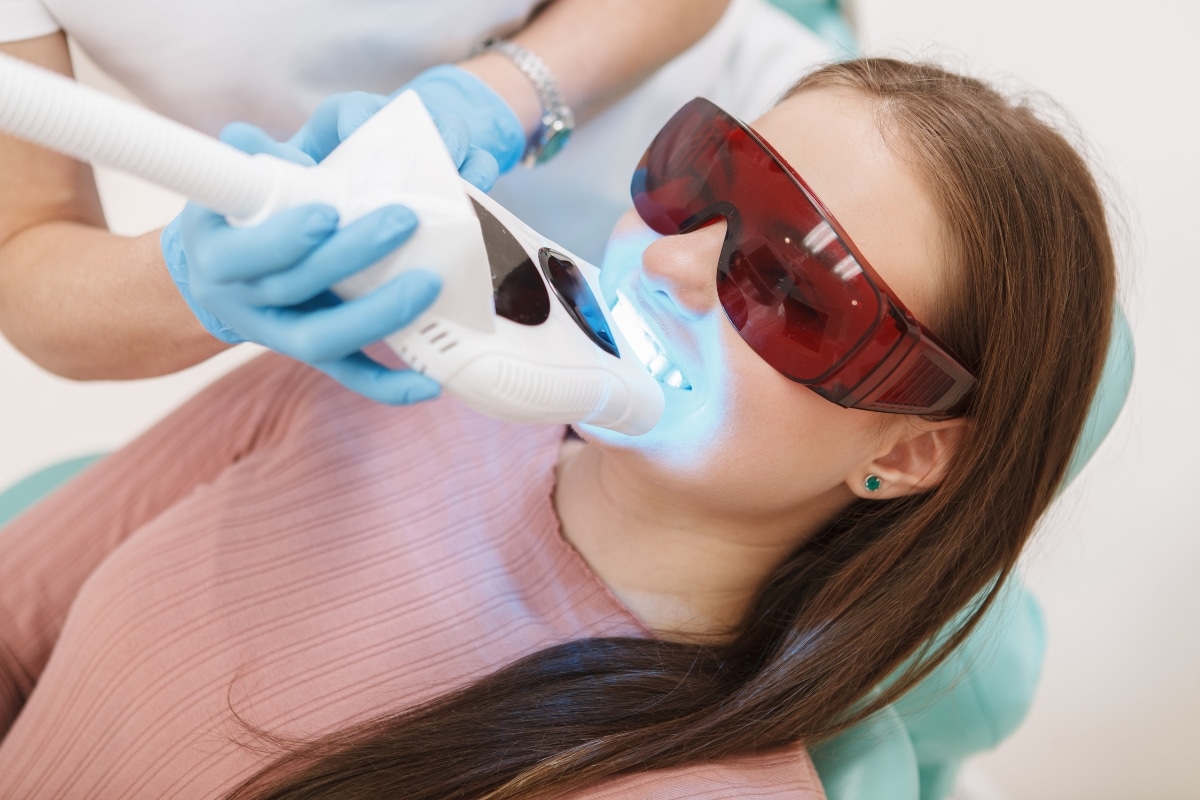
Dental lasers enable a precise and less invasive extraction process by targeting tissues for separation and sterilization. The ADA has highlighted its growing use for patients who prioritize comfort and shorter recovery. This method is especially beneficial for individuals who have heightened sensitivity or anxiety surrounding dental procedures.
Why it’s trending:
- Provides a nearly pain-free experience.
- Lessens the risk of infections due to laser sterilization.
- Reduces postoperative discomfort significantly.
Computer-Guided Surgery
Cone Beam Computed Tomography (CBCT) provides detailed 3D imaging, enabling dentists to plan and execute extractions with exceptional accuracy. This method is particularly beneficial for complex cases, such as third molar extractions. It allows for customized treatment planning, ensuring that the procedure is executed with the utmost precision.
Notable benefits:
- Reduces the likelihood of surgical complications.
- Enhances precision, especially in sensitive anatomical areas.
- Provides customized care tailored to individual patient needs.
Tooth removal methods in the USA have advanced dramatically, offering patients safer, faster, and more comfortable options. From laser-assisted techniques to piezoelectric surgery, these innovations reflect the ADA’s commitment to excellence in oral health care. For anyone requiring a dental extraction, consulting a dentist skilled in these modern approaches ensures the best possible experience and recovery outcome. As these techniques continue to evolve, the focus on patient comfort and rapid recovery will remain at the forefront of dental practice, making tooth extraction a smoother, less stressful experience for everyone.
Recent Posts

Oct. 20, 2026
6 Popular Cosmetic Dentistry Procedures That Can Transform Your Smile

Oct. 12, 2026
Afraid of the Dentist? Here’s What Modern Practices Do Differently
Aug. 13, 2026
The One-Hour Fix Behind a Lot of Albuquerque’s Brightest Smiles

Aug. 05, 2026
What to Do in the First Hour of a Dental Emergency

Jul. 21, 2026